
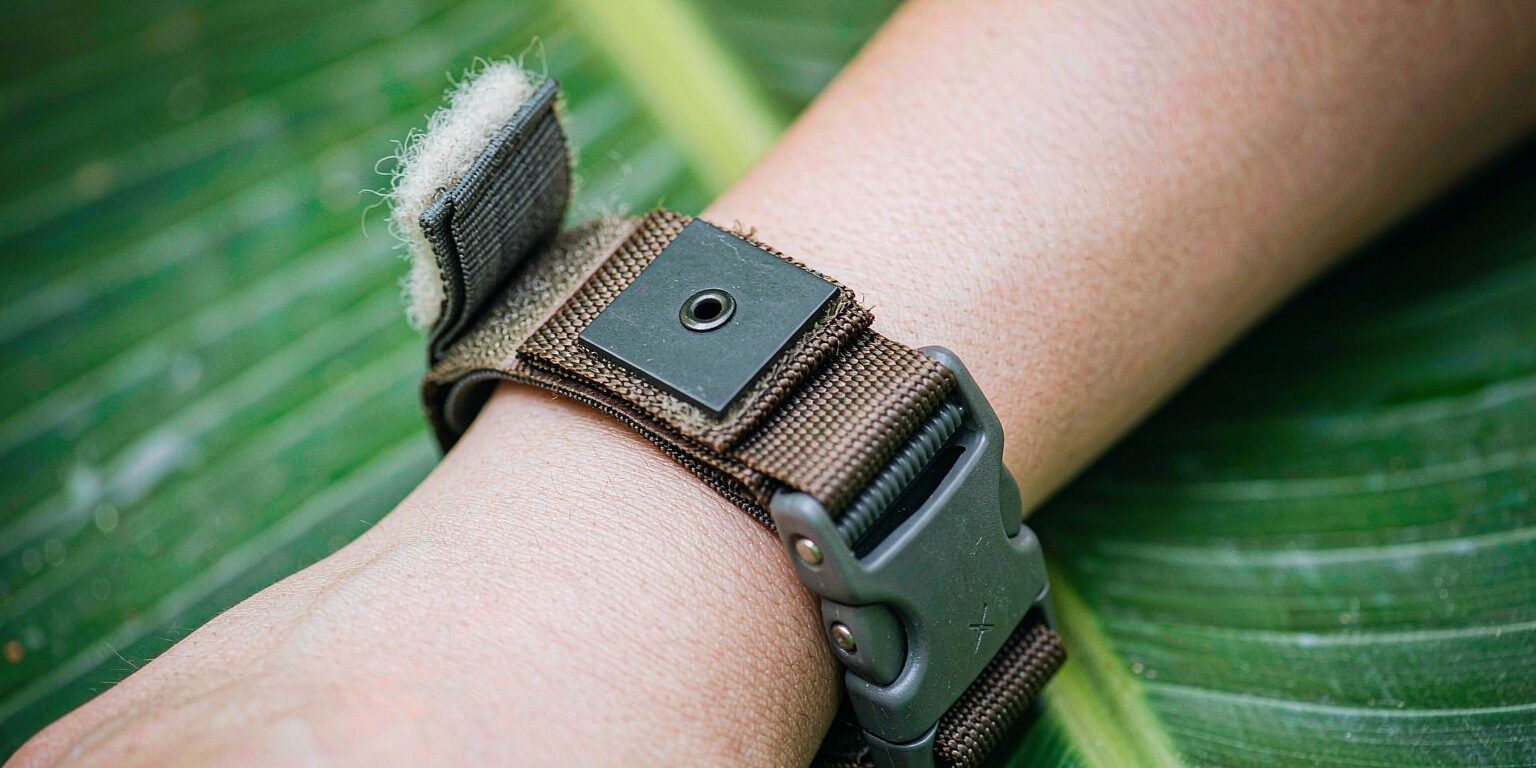
The European event industry is at a turning point. Single-use plastic wristbands — often made from PVC or laminated paper — are facing mounting scrutiny as regulators, sponsors, and attendees demand measurable sustainability commitments. For forward-looking venues and brands, the shift to eco-friendly RFID wristbands is no longer a niche initiative; it is becoming a competitive necessity. A well-designed reusable wristband programme reduces waste, lowers long-term costs, and strengthens brand positioning in an increasingly sustainability-driven market.
The EU Sustainability Shift: Why Reusable Wristbands Are Now a Strategic Priority
European Union policy is accelerating the move away from single-use items. The Single-Use Plastics Directive, extended producer responsibility schemes, and tightening waste-reduction targets are prompting event organisers to rethink every touchpoint — including wristbands. Al mismo tiempo, corporate ESG reporting requirements are pushing brands to quantify and reduce their environmental footprint. A reusable RFID wristband offers a tangible, auditable solution: one wristband can replace dozens of disposable alternatives across multiple events, dramatically cutting plastic waste per attendee.
Consumer expectations are shifting as well. Polls across key European markets consistently show that attendees prefer events with visible sustainability practices. A well-communicated switch to PVC-free wristbands made from durable materials can become a marketing asset, signalling that a venue or brand is serious about sustainable events.
What Makes an RFID Wristband Eco-Friendly?
Not all reusable wristbands are created equal. The most sustainable options combine durable materials with embedded RFID or NFC technology that supports multiple use cycles. Key characteristics include:
- PVC-free construction — avoiding polyvinyl chloride, which is difficult to recycle and releases harmful chemicals during production and incineration.
- Long service life — high-quality RFID silicone wristbands can withstand hundreds of uses, while RFID fabric woven wristbands offer a soft, premium feel with excellent durability.
- Recyclability at end of life — silicone can be processed through specialised recycling streams, and fabric bands can be designed for easier disassembly.
- Reusable chip technology — embedded Etiquetas RFID y NFC tags allow the wristband to be reprogrammed for each new event, maximising value per unit.
For venues that need a fully disposable but more sustainable option, RFIDHY also offers RFID disposable paper wristbands made from FSC-certified paper with non-toxic adhesives. Sin embargo, the strongest environmental gains come from transitioning to a reuse model whenever possible.
Reusable vs Disposable RFID Wristbands: A B2B Comparison
Choosing between reusable and disposable wristbands requires balancing sustainability goals, operational complexity, and budget. The following table summarises the key decision factors for European event planners and venue operators.
| Criteria | Reusable RFID Wristband | Disposable RFID Wristband |
|---|---|---|
| Material | Silicona, woven fabric, or durable plastic; PVC-free options available | Paper, Tyvek, or single-use PVC/plastic |
| Lifespan | Multiple events (50+ uses typical) | Single event |
| Cost per use | Higher upfront, lower cost per attendee over time | Lower upfront, higher long-term cost if events repeat |
| Environmental impact | Significantly lower waste; aligns with circular economy | High waste volume; often not recyclable due to mixed materials |
| Hygiene management | Requires cleaning/sanitisation between uses | No cleaning needed; single-use reduces cross-contamination risk |
| Customisation | Can be rebranded for each event via printing or sleeves | Fully customised per event |
| Data handling | RFID chip can be rewritten; supports season passes and loyalty programmes | Typically one-time programming; simpler data management |
For festivals, stadiums, and multi-venue operators, the reusable wristband model offers clear long-term advantages — provided the return logistics and hygiene processes are well planned.
Operating a Successful Reusable Wristband Programme
Transitioning to reusable wristbands is not just a purchasing decision; it is an operational change. European venues that have successfully implemented reuse programmes typically focus on the following areas:
1. Collection and Return Logistics
Encourage wristband returns through deposit systems, prize incentives, or clear collection points at exits. Pair the wristband with a mobile app that reminds attendees to return it and tracks participation. A well-designed return flow can achieve recovery rates above 80%.
2. Cleaning and Sanitisation
Silicone and fabric wristbands can be cleaned using industrial washing or UV-C sanitisation. Establish documented cleaning protocols to reassure attendees about hygiene. For events with high turnover, plan for a buffer stock to allow cleaning cycles between uses.
3. RFID Data Management
Each reusable wristband contains a unique identifier that can be reprogrammed for each new event. Ensure your RFID system supports secure data erasure and re-encoding. Work with an experienced supplier that can provide RFID reader modules y fixed RFID readers compatible with your chosen frequency and chip type.
4. Communication and Attendee Engagement
Make sustainability visible. Use signage, emails, and social media to explain why your venue has adopted reusable wristbands. Highlight the measurable reduction in plastic waste per event. Attendees who understand the environmental benefit are more likely to return wristbands and support the initiative.
PVC-Free Wristband Materials: Choosing the Right Option
For brands actively avoiding PVC, the two most common eco-friendly RFID wristband materials are:
- Silicone RFID wristbands — Highly durable, waterproof, and comfortable for multi-day wear. Ideal for festivals, Parques acuáticos, and resorts. Can be fully customised with logos and colours. See RFID silicone wristbands for specifications.
- Fabric woven RFID wristbands — Soft, breathable, and perceived as premium. Often used for VIP access, conferences, and corporate events. Woven fabric can be produced from recycled polyester or organic cotton. Explore RFID fabric woven wristbands for details.
Both options support high-frequency (HF) and ultra-high-frequency (UHF) RFID chips, allowing seamless integration with existing access control and cashless payment systems.
Integrating Reusable Wristbands with Your Existing RFID Infrastructure
One of the main concerns for venues considering reusable wristbands is compatibility with current scanning hardware. The good news is that most modern Etiquetas RFID and readers follow global standards (ISO 14443, ISO 15693, EPC Gen2). Reusable wristbands can be ordered with the same chip type as your disposable bands, ensuring a smooth transition. For venues building a new system, RFIDHY offers a range of RFID reader modules and handheld scanners that work seamlessly with silicone and fabric wristbands.
Además, the data collected from reusable wristbands over multiple events provides valuable insights into attendee behaviour, peak entry times, and cashless spending patterns — enabling smarter operational decisions.
Preparing for Future EU Regulations
Looking ahead, the European Commission is expected to introduce further measures targeting single-use plastics in the event sector. Early adopters of reusable wristbands will be better positioned to comply with upcoming requirements, avoid last-minute supply chain disruptions, and demonstrate leadership in sustainability reporting. By partnering with an experienced manufacturer like RFIDHY, venues can design a future-proof wristband strategy that balances environmental goals with operational efficiency.
Frequently Asked Questions
What is an eco-friendly RFID wristband?
An eco-friendly RFID wristband is a wearable access control device that embeds RFID or NFC technology in a durable, PVC-free material such as silicone or woven fabric. Unlike single-use plastic wristbands, it can be reused across multiple events, significantly reducing plastic waste and supporting circular economy principles.
Are reusable RFID wristbands hygienic?
Sí, when proper cleaning protocols are followed. Silicone wristbands can be sanitised using UV-C light, industrial washing, or disinfectant wipes. Fabric wristbands can be machine washed at high temperatures. Venues should document their cleaning process and communicate it to attendees for transparency.
How many times can a reusable RFID wristband be used?
A high-quality reusable wristband made from silicone or woven fabric can typically withstand 50 Para 200 use cycles, depending on the material and handling. The embedded RFID chip does not wear out from normal use and can be reprogrammed for each new event.
What is the difference between PVC-free and biodegradable wristbands?
A PVC-free wristband avoids polyvinyl chloride but may still be made from non-biodegradable materials like silicone, which is durable and recyclable through specialised programmes. Biodegradable wristbands are designed to break down under specific composting conditions but often have a shorter lifespan and are less suitable for multi-day events. For reusable programmes, PVC-free silicone or fabric is usually the better choice.
Can reusable RFID wristbands be customised for different events?
Absolutely. Silicone wristbands can be printed with event-specific logos and colours, and fabric wristbands can be woven with different designs. Además, the RFID chip can be re-encoded with new access permissions, cashless balances, or session data for each event, making the same wristband fully adaptable.
How do I get started with a reusable wristband programme?
Start by auditing your current wristband usage and identifying which events are best suited for reuse. Then work with an experienced supplier like RFIDHY to select the right material, chip type, and customisation. Plan your collection, cleaning, and data management processes before launch. RFIDHY provides end-to-end support from prototyping to mass production.
Ready to Make Your Events More Sustainable?
RFIDHY helps European venues and brands transition to eco-friendly reusable RFID wristbands without compromising functionality or guest experience. From PVC-free silicone and fabric options to compatible readers and software, we provide a complete solution tailored to your sustainability goals.
Contact our team today to request samples, discuss customisation, or get a quote for your next event. Let’s build a circular wristband strategy together.