
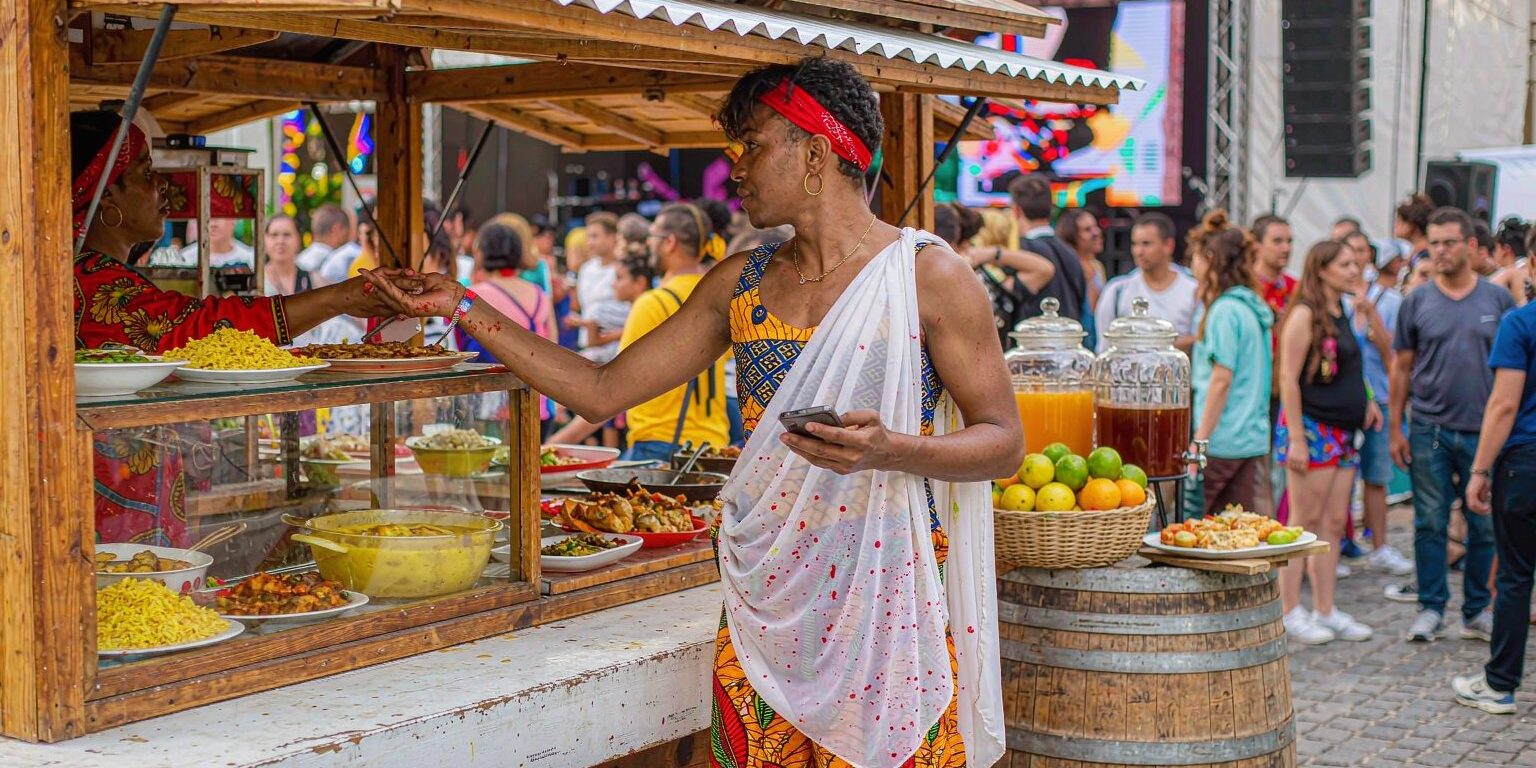
Across Latin America, live entertainment is moving from cash-heavy operations to data-rich, frictionless visitor experiences. Brazil and Mexico are leading this shift, with festival promoters, tourism operators, and venue teams adopting cashless RFID wristbands to reduce queues, tighten security, and capture per-attendee spending patterns.
For B2B buyers, the real decision goes beyond wristband selection. It means matching credential technology, form factor, payment integration, and on-site support to each market. This guide shows how cashless wristbands support Brazil’s high-energy multi-day festivals and Mexico’s security-focused large-scale events.
Why Brazil and Mexico Are Leading Latin America’s Cashless Shift
Brazil and Mexico combine large domestic audiences, established tourism infrastructure, and dense urban festival calendars. Large-scale productions such as Rock in Rio, Lollapalooza Brasil, Vive Latino, and Corona Capital demonstrate the scale at which promoters must operate. As these markets professionalize, promoters are replacing paper tickets and cash bars with connected credentials that support tiered access, faster entry, and closed-loop payments.
The shift is also operational. Cash handling increases shrinkage, slows bar queues, and limits real-time visibility. A cashless system on a wearable credential gives operators a transaction record for every tap, which is valuable for vendor settlement, seguridad, and post-event analysis.
How Cashless RFID Wristbands Work at Festivals
A cashless RFID wristband contains an embedded identifier and antenna sealed inside a wearable format. When an attendee taps the wristband on a reader, the system identifies the unique credential and authorizes the action. In HF/NFC implementations, the wristband behaves like a closed-loop payment token. Organizers can also select the same NFC wristband technology for interactive brand touchpoints.
Access Control and Session Validation
At entry gates, staff use readers to validate ticket class, session, and re-entry rights. This is especially useful for multi-day festivals where a single credential must manage camping access, Áreas VIP, and day-specific admission. For a deeper look, see our guide on multi-day festival RFID wristband strategy.
Closed-Loop Payments and Top-Ups
Attendees load credit online or at top-up stations and then tap to pay at bars, merch stands, and food vendors. Because transactions stay inside the event system, operators avoid public payment delays and can automate refunds after the festival. We cover vendor onboarding in our cashless vendor integration guide.
Wristband Formats for Brazil and Mexico Festival Operators
Different festival environments require different wristband materials. The table below matches common formats to regional use cases.
| Wristband Format | Best for LATAM Use Case | Key Advantage |
|---|---|---|
| RFID silicone wristbands | Multi-day festivals, Parques acuáticos, VIP programs | Water-resistant, artículo, comfortable |
| RFID fabric woven wristbands | Camping festivals, artist and crew credentials | Soft feel, strong print area |
| RFID disposable paper wristbands | Single-day festivals, city tours, short events | Low cost, fast issuance |
| RFID disposable PVC wristbands | Beach festivals, Parques acuáticos, pool areas | Waterproof and tamper-evident |
Brazil Festival RFID Strategy: Managing Hot, Multi-Day Events
Brazilian festivals often run for multiple days, include camping or re-entry, and expose wristbands to sun, rain, and pool areas. Durable, water-resistant formats reduce replacement workload and keep transactions reliable from morning through late-night sets. Promoters planning re-entry and staging should map access zones early and align them with cashless rules before the event.
Mexico RFID Wristband Planning: Secure Access and Tiered Entry
Mexico’s major events often operate with tiered access, age-restricted areas, and close coordination with local security teams. Cashless wristbands reduce cash theft risk and create an auditable credential that supports VIP, entrada general, and staff zones. For tiered access design, see our VIP vs general admission guide.
Payment Integration and Operational Planning
A successful rollout depends on integration more than the wristband itself. Promoters should confirm offline transaction handling, POS compatibility, top-up station density, and refund workflows before the event. The wearable credential must match the reader frequency and memory requirements of the cashless system.
On-site replacement is another planning factor. Staff need a clear reissue process for lost or damaged wristbands without disrupting entry. Our on-site replacement guide outlines practical steps for event teams.
Selecting an LATAM Event Wristband Supplier for RFID Rollouts
B2B operators should evaluate suppliers on customization, lead time, regional shipping, frequency compatibility, and integration support.
- Confirm material durability for local climate and multi-day use.
- Verify frequency and memory with your access or payment provider.
- Request pre-production samples for fitting, print quality, and water resistance.
- Align production and delivery with customs clearance in Brazil or Mexico.
- Plan on-site buffer stock for replacement and last-minute upgrades.
Sustainability and Compliance for LATAM Events
Cities across Brazil and Mexico are increasing attention on single-use plastics and event waste. Choosing recyclable or lower-impact materials where possible can support local compliance goals and brand positioning. For more sustainable formats, see our sustainable RFID wristbands guide.
FAQ: Cashless Festival Wristbands in Brazil and Mexico
Are cashless wristbands only suitable for large festivals in Brazil and Mexico?
No. Medium and multi-day events also benefit from faster entry, reduced cash handling, and real-time transaction data. The system can be scaled based on attendance and site complexity.
Which wristband format works best for a multi-day Brazilian festival?
Durable water-resistant formats are common for multi-day use. Single-day events may use lighter formats depending on budget, weather, and site conditions.
Can cashless wristbands work if the festival site has limited internet connectivity?
Many cashless systems support offline transaction capture and later synchronization. Confirm offline mode, data storage, and reconciliation with your provider during vendor selection.
How should promoters handle refunds after a cashless festival?
Closed-loop systems can automate refunds to the original top-up method or through a post-event portal. Promoters should publish a clear refund window and support process before the event.
How early should promoters order custom cashless wristbands in Latin America?
Lead times vary by material and customization. Confirm production, shipping, and customs clearance with the manufacturer before finalizing event dates.
Plan Your Next LATAM Festival with RFIDHY
RFIDHY supplies custom RFID wristbands and supports festival promoters, tourism operators, and event partners across Brazil, Mexico, and the wider Latin American market. Our team can help you select the right material, Frecuencia, and integration path for cashless access and payments.