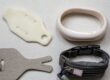

Hospitals are under constant pressure to improve patient flow, reduce identification errors, and connect operational data with clinical systems. Patient tracking with RFID wristbands offers a practical way to meet these demands. When properly integrated, RFID-based patient tracking gives care teams real-time visibility into patient location, status, and movement while feeding that information into the electronic health record. For hospital IT and clinical operations leaders, the key is understanding how RFID components, middleware, and EHR interfaces work together.
Why Hospitals Are Moving Toward RFID-Based Patient Tracking
Traditional patient tracking relies on manual check-ins, barcode scans, and phone calls between departments. These methods create documentation gaps and slow down handoffs. Patient tracking RFID solutions address this by automating data capture at key points of care. An RFID patient wristband worn by the patient can be read without line-of-sight, which means staff do not need to interrupt care to scan a barcode.
This contactless capture supports real-time location RFID workflows in emergency departments, surgical suites, and inpatient units. Instead of searching for a patient or relying on outdated whiteboards, staff can see where a patient is and how long they have been in a given area. That visibility directly supports hospital workflow RFID improvements and reduces time spent on non-clinical tasks.
How RFID Patient Tracking Works in a Hospital Environment
A complete patient tracking system includes several layers. Understanding these layers helps IT teams plan integration and avoid fragmented deployments.
Core RFID Components
- RFID wristbands: Patients wear passive UHF or HF wristbands encoded with a unique ID. These can be disposable for single-use patient stays or more durable for long-term care.
- RFID tags and readers: Fixed RFID readers installed at doorways, corridors, and department entrances capture tag IDs automatically. Handheld RFID scanners support point-of-care verification and mobile workflows.
- RFID antennas: Antennas extend read zones in larger areas such as waiting rooms or recovery bays. A well-designed RFID antenna placement plan prevents missed reads and redundant coverage.
- Middleware: This software layer filters raw read events, associates them with business rules, and translates location data into meaningful patient status updates.
- RTLS engine: A real-time location system calculates patient presence, dwell time, and movement based on reader data.
Together, these components create a continuous digital record of patient movement without requiring manual data entry.
EHR/EMR Integration Notes: Where RFID Data Meets Clinical Systems
EHR integration wristband data becomes clinically useful only when it flows into existing systems in a structured way. Hospitals typically integrate RFID patient tracking through middleware that communicates with the EHR using standards such as HL7 v2, FHIR, or custom APIs.
Key integration points include:
- ADT feeds: Admission, discharge, and transfer messages link the RFID wristband ID to the patient master record. This ensures every read is associated with the correct patient.
- Location and status updates: Middleware can send patient location changes to the EHR as observations or custom events. This allows nurses and physicians to see current patient location within their normal clinical view.
- Positive patient identification: At medication administration or specimen collection, the RFID wristband ID can be compared against the EHR order to confirm the right patient. This workflow mirrors barcode scanning but adds hands-free convenience.
- Event-driven alerts: If a patient enters an unauthorized area or leaves a monitored unit, the integration layer can trigger notifications through the EHR or clinical communication platform.
Hospital IT teams should involve EHR analysts early to map data elements and define message triggers. A phased approach often works best: start with ADT integration for patient identity, then layer location updates, and finally enable clinical alerts.
Workflow Improvements: From Admission to Discharge
RFID tracking changes how departments coordinate care. The table below summarizes common workflow touchpoints and the RFID-enabled improvement.
| Hospital Workflow Stage | Traditional Challenge | RFID Patient Tracking Improvement |
|---|---|---|
| Admission | Manual registration and wristband printing delays | RFID wristband encoded with patient ID speeds check-in and automatically links to ADT |
| Emergency department | Difficulty locating patients for triage or test results | Real-time location RFID shows patient room and dwell time on ED tracking board |
| Inpatient transfer | Phone calls and paper handoffs between units | Automated location updates notify receiving unit when patient arrives |
| Perioperative care | Uncertainty about patient arrival in pre-op or PACU | RFID zones track stage transitions and update surgical workflow dashboards |
| Discharge | Delays due to missing paperwork or transport coordination | Discharge status linked to RFID location triggers bed turnover and transport tasks |
These workflow changes reduce non-value-added communication and allow care teams to focus on clinical priorities. However, workflow design should be co-developed with nurses and unit managers, not imposed by IT alone.
Safety Benefits: Reducing Errors and Improving Visibility
Patient safety improvements come from two directions. First, RFID wristbands support positive patient identification at critical points such as medication administration, blood draws, and procedures. When the wristband ID is automatically matched to the EHR order, the risk of wrong-patient events decreases.
Second, real-time location RFID gives staff better situational awareness. For example, a patient at risk of falls who leaves a monitored bed area can trigger an alert before an incident occurs. In behavioral health or memory care units, RFID-based door monitoring supports elopement prevention protocols without restricting all patients equally.
These safety use cases depend on reliable hardware and well-mapped integration. Hospitals should validate read accuracy in real clinical conditions, including patient movement, metal equipment, and crowded doorways.
Implementation Considerations for IT and Clinical Operations Teams
Before deploying patient tracking with RFID wristbands, leaders should address several practical questions.
- Frequency selection: UHF RFID often provides longer read ranges for doorway and room-level tracking, while HF/NFC can support close-range patient identification at the bedside. Many hospitals use UHF for tracking and HF/NFC for point-of-care verification.
- Infrastructure coverage: Map required read zones and install readers and antennas where patient movement actually occurs. Avoid over-engineering coverage in low-traffic areas.
- Data governance: Define who owns location data, how long it is retained, and which roles can view patient location. Location data must comply with hospital privacy and security policies.
- EHR integration scope: Start with a limited set of messages and expand after validation. Avoid overwhelming the EHR with raw read events; middleware should aggregate and filter before sending.
- Training and change management: Clinical staff need clear guidance on how RFID changes their daily tasks. Emphasize benefits such as fewer phone calls and faster patient transfers.
When implemented with these considerations in mind, patient tracking RFID becomes a foundational layer for broader hospital digitalization, including asset tracking, staff duress, and automated capacity management.
Frequently Asked Questions
What is patient tracking with RFID wristbands?
Patient tracking with RFID wristbands uses radio frequency identification to automatically capture patient identity and location. Patients wear a wristband with an embedded RFID chip, and readers installed throughout the hospital detect the wristband as the patient moves. This data supports real-time location tracking and integration with hospital systems.
How does RFID patient tracking integrate with EHR/EMR systems?
RFID patient tracking integrates with EHR/EMR systems through middleware. The middleware converts RFID read events into structured messages, often using HL7 or FHIR standards. Common integration points include ADT feeds for patient identity, location updates, and event-driven alerts that appear in clinical dashboards.
What is the difference between UHF and HF RFID for patient tracking?
UHF RFID provides longer read ranges and is well-suited for doorway and room-level patient tracking. HF/NFC RFID operates at shorter ranges and is often used for close-range positive patient identification at the bedside. Many hospitals combine both frequencies to cover different workflow needs.
Can RFID wristbands replace barcode patient identification?
RFID wristbands can complement or replace barcode scanning for patient identification. RFID does not require line-of-sight, so staff can verify patient identity more quickly. However, hospitals should validate read accuracy and integrate the RFID ID with the EHR before phasing out barcode workflows.
What are the main safety benefits of RFID patient tracking?
RFID patient tracking supports positive patient identification, reduces wrong-patient events, improves location visibility, and enables alerts for patients who leave monitored areas. These benefits depend on reliable hardware, accurate location mapping, and proper EHR integration.
RFIDHY helps hospitals and healthcare technology partners design patient tracking systems that integrate cleanly with clinical workflows and EHR platforms. From disposable RFID patient wristbands to fixed readers and RFID tags, our team can support your implementation from pilot to full deployment. Contact us to discuss your patient tracking requirements or request product samples for evaluation.