
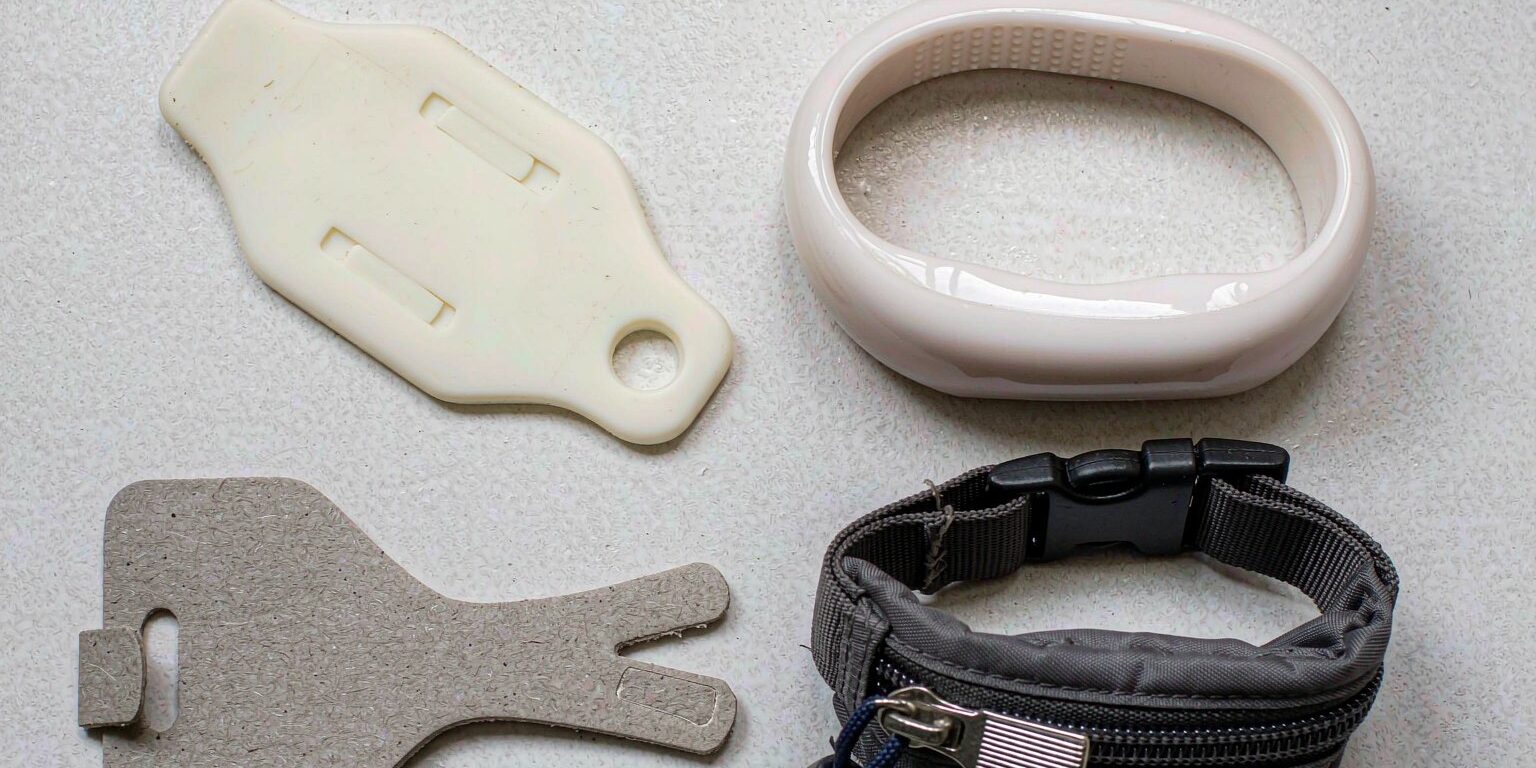
Material selection is one of the most practical decisions in an RFID wristband deployment. PVC, silicone, paper, and nylon each offer a different balance of cost, durability, water resistance, and guest comfort. For B2B buyers, the right choice depends less on the chip alone and more on how long the wristband must remain intact, how much moisture or friction it will face, and whether it needs to support cashless payments, access control, or patient identification.
This RFID material comparison explains the trade-offs for each option and provides a practical selection matrix for procurement teams. Whether you are purchasing for a one-day conference, a week-long music festival, a hospital ward, or a water park, the material will directly affect user experience, replacement rates, and total cost of ownership.
Material Overview: PVC, Silicone, Paper, and Nylon
PVC RFID Wristbands
PVC RFID wristbands are a popular choice for short-term events and tiered access scenarios. They have a smooth, sealed surface that supports high-quality printing and resists light splashes, making them suitable for nightclubs, bars, single-day festivals, and VIP zones. PVC bands are generally low to medium cost and can be produced quickly at scale.
However, PVC is not the most comfortable option for extended wear. The plastic feel can become warm or slightly rigid over multiple days, and the material is better suited to disposable or limited-reuse applications than to long-term guest programs. If your event lasts more than two or three days, silicone or woven nylon may reduce the number of reissued wristbands.
Silicone RFID Wristbands
Silicone RFID wristbands are the premium option for durability and comfort. They are soft, flexible, highly water resistant, and resistant to tearing during active use. This makes them ideal for water parks, resorts, multi-day festivals, corporate retreats, and season passes that need to survive repeated exposure to water, sunscreen, and physical activity.
The trade-off is cost. Silicone bands typically sit at the medium-to-high end of the price range, but their reusability can lower the effective cost per attendee if you deploy them across multiple events or long-stay programs. Silicone also supports embossed or debossed branding, which gives a more durable and upscale finish than printed graphics alone.
Paper RFID Wristbands
Paper RFID wristbands are the lowest-cost option and the standard choice for high-volume, short-duration events. They are lightweight, easy to customize, and fast to distribute at registration. Conferences, exhibitions, single-day festivals, and promotional activations often rely on paper bands because the unit cost supports high attrition and large attendee counts.
The main limitation is water resistance. Standard paper bands can soften or tear when wet, although coated or thermal paper variants improve performance in humid conditions. If your use case includes showers, pools, or heavy rain, paper may not be the right material unless the event is strictly indoors and short-term.
Nylon or Woven RFID Wristbands
Nylon RFID wristbands, also called woven fabric wristbands, combine high durability with a breathable, adjustable fit. They are well suited to multi-day festivals, camping events, corporate outdoor programs, and any setting where attendees will wear the band continuously for several days. The fabric dries quickly and resists fraying better than standard paper or thin plastic alternatives.
Nylon bands are usually priced in the middle range. They offer a more premium fabric feel than paper or PVC, but they may not match silicone for maximum water resistance. Many event organizers choose woven nylon when comfort and long-wear performance are more important than waterproofing or high-end branding texture.
Full Material Comparison Table
| Material | Relative Cost | Durability | Water Resistance | Comfort | Typical Use Cases |
|---|---|---|---|---|---|
| PVC | Low to medium | Moderate; single-use or short-term | High, smooth sealed surface | Medium; may feel plastic | Nightclubs, VIP access, single-day events, water parks |
| Silicone | Medium to high | High; reusable and tear-resistant | Excellent | High; soft and flexible | Multi-day festivals, resorts, pools, season passes |
| Paper | Lowest | Low; disposable | Low to medium depending on coating | Medium; lightweight | Single-day events, conferences, exhibitions |
| Nylon/Woven | Medium | High; fabric resistant to fraying | Moderate; dries quickly | High; breathable and adjustable | Multi-day festivals, camping, corporate retreats |
How to Match RFID Wristband Materials to Use Cases
Multi-Day Festivals and Concerts
For events lasting more than two days, the wristband must survive sleeping, showering, dancing, and repeated scanning. Silicone and nylon are generally stronger choices than paper or PVC. They reduce on-site replacement lines and improve the attendee experience by staying comfortable and intact throughout the full event window.
Water Parks and Pools
Water exposure changes the material conversation. Silicone and PVC perform better than standard paper for continuous water contact. Silicone is the leading option for multi-day water park applications because it remains flexible and does not delaminate or become unpleasant when wet. Nylon can work for splash-level or intermittent moisture, but silicone is the safer waterproof choice.
Healthcare and Patient Identification
In clinical settings, durability and comfort must be balanced against hygiene and single-patient use. Disposable options are often preferred to prevent cross-contamination, while printed information must remain legible after handwashing and cleaning protocols. The final material choice should be reviewed with the facility to ensure it meets both patient comfort and operational workflow requirements.
Cost, Durability, and Waterproofing Considerations
When comparing PVC vs silicone RFID wristbands, the cost difference is often justified by reusability. A silicone band may cost more per unit, but if it prevents three replacements during a five-day festival or can be collected and reused for a later program, the total cost per attendee drops considerably. Paper remains the most economical choice for high-volume one-day events, while PVC occupies a middle ground for short-term but more tactile applications.
Waterproofing should be evaluated as a system, not just a material property. The chip and antenna construction also affects how the wristband performs in wet environments. Even a water-resistant material can underperform if the embedded electronics are not properly sealed for the intended use case. Always confirm testing and environmental specifications with the manufacturer before committing to a bulk order.
Procurement Checklist for B2B Buyers
- Define the wear duration: single day, multi-day, or reusable season pass.
- Assess moisture exposure: indoor, outdoor, splash, or full water immersion.
- Compare per-unit cost against expected replacement and reissue rates.
- Confirm print or branding method: digital print, emboss, deboss, or woven label.
- Request material samples for comfort testing with actual users when possible.
- Validate chip frequency, read range, and encoding with your scanning equipment.
- Ask about minimum order quantities and production lead times for each material.
Frequently Asked Questions About RFID Wristband Materials
Which RFID wristband material is most durable?
Silicone is generally the most durable material for repeated wear, water exposure, and active movement. It resists tearing, remains flexible, and can be reused across multiple events. Nylon is also highly durable for fabric-based applications, while PVC and paper are better for shorter use windows.
Are paper RFID wristbands waterproof?
Standard paper RFID wristbands are not fully waterproof. Some coated or thermal paper versions offer improved moisture resistance, but they are still best suited to indoors or short-duration events where heavy water contact is not expected. For pools, water parks, or rainy outdoor festivals, silicone or PVC is a safer choice.
What is the cost difference between PVC and silicone RFID wristbands?
Silicone RFID wristbands typically cost more per unit than PVC RFID wristbands. However, silicone offers longer durability and reusability, which can reduce the effective cost per use. PVC is more economical when the wristband only needs to last one to three days.
Can nylon RFID wristbands be reused?
Yes, nylon or woven RFID wristbands are often reusable and can support multi-day or multi-event use. They provide a comfortable, breathable fit and resist fraying. Organizations that run recurring events may collect and reissue nylon bands to lower long-term costs.
Which material is best for multi-day festivals or water parks?
Silicone is the strongest all-around choice for multi-day festivals and water parks because it combines high water resistance, durability, and comfort. For festivals with less water exposure, woven nylon is also an excellent option. Paper and PVC can work for shorter or specialized access scenarios, but they are less durable for extended wear.
Need Help Selecting the Right RFID Wristband Material?
RFIDHY helps B2B buyers compare materials, chip options, and production costs for events, healthcare, and access control programs. Contact our team to request samples, confirm read-range performance, and get a bulk quotation for your project.