
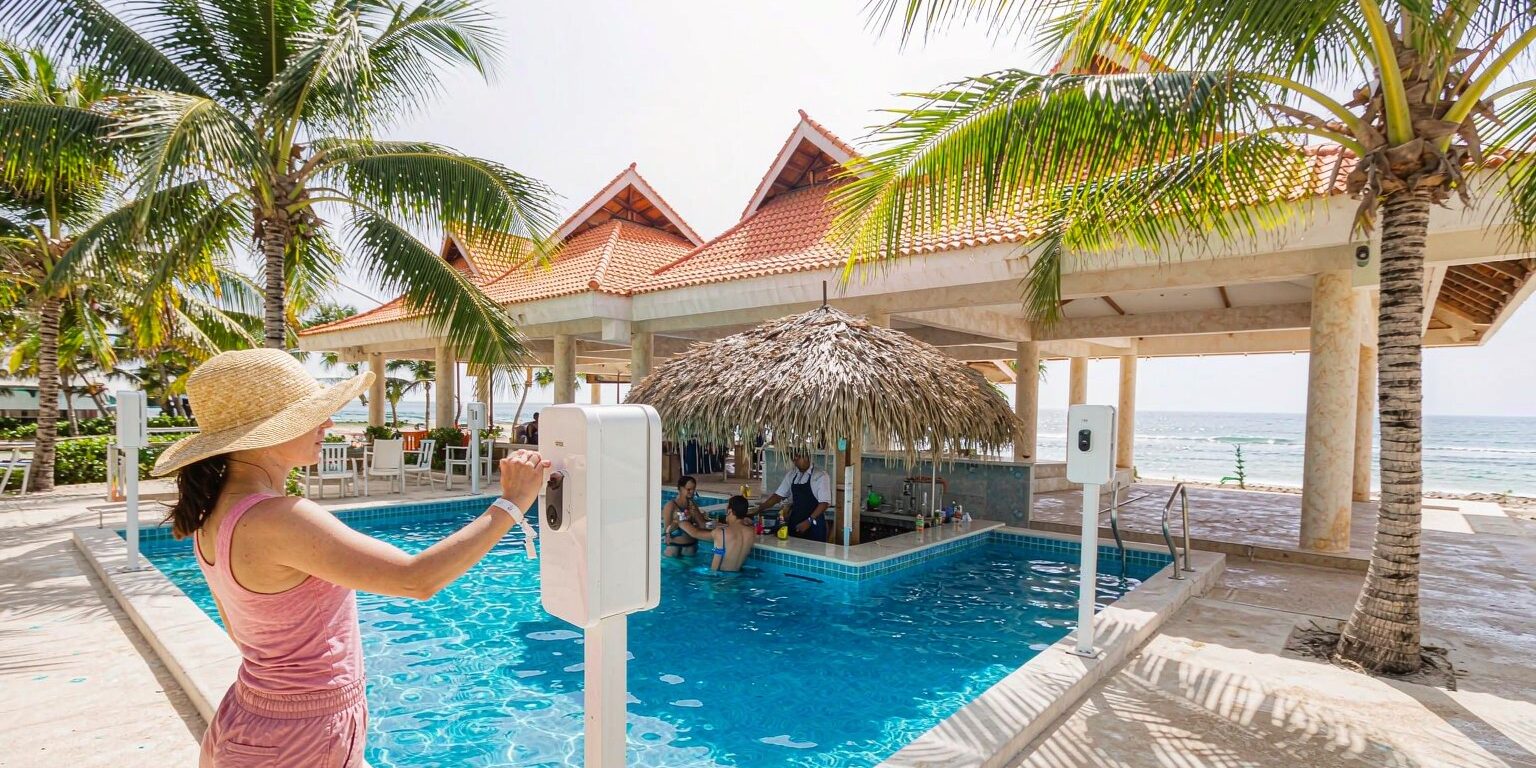
Across Australia, estaciones, festivals and healthcare providers are turning to RFID wristbands as a single, wearable credential that simplifies access control, cashless payments and patient identification. From beachfront resorts in Queensland to multi-day music festivals in regional Victoria and hospital wards in New South Wales, the right wristband technology can reduce queues, improve safety and create a more seamless experience. This guide explains what Australian operators need to know when selecting and deploying RFID wristbands.
Why RFID Wristbands Are Gaining Traction in Australia
Australian venues operate in a competitive tourism and events market, while healthcare facilities face strict compliance and patient safety requirements. An Australia RFID wristband approach offers three core benefits: it speeds up entry and payments, reduces fraud and errors, and generates useful operational data. Because the wristband is worn on the body, it is harder to lose or share than a paper ticket or plastic card.
Resort Wristband Australia: Enhancing the Guest Journey
For Australian resorts, un resort wristband Australia solution transforms the guest experience from check-in to checkout. Guests can use one wristband to open their room, purchase food and drinks by the pool, access the gym or spa, and even unlock resort lockers. This reduces friction and increases on-site spending. Learn more about our hotel and resort wristband solutions.
For high-end Australian resorts, RFID silicone wristbands are a durable, waterproof option that can withstand sunscreen, salt water and daily wear. They are comfortable enough for extended stays and can be customised with brand colours and logos.
Key Resort Use Cases
- Room key and access credential
- Cashless payments across pools, restaurants and bars
- Activity bookings and equipment rental
- VIP and staff identification
Festival RFID Australia: Managing Crowds and Cashless Transactions
Large outdoor festivals across Australia face intense peak entry periods, long queues and cash handling challenges. A festival RFID Australia strategy uses wristbands to validate tickets at the gate, control re-entry, manage camping zones and support cashless payments at food, beverage and merchandise outlets. Explore our fairs and festival wristband options.
For multi-day events, RFID fabric woven wristbands offer a comfortable, adjustable fit that can include a secure tamper-proof closure. They can be printed with sponsor logos and event branding, and integrated with the required RFID technology.
Entry, Re-Entry and Tiered Access
- Instant scanning at entry gates to cut queue times
- Re-entry validation for campers and multi-day attendees
- Tiered access for VIP, staff, artist and general admission zones
- Real-time attendance dashboards for organisers
Cashless Payments and Vendor Integration
Cashless systems reduce theft, speed up transaction times and give festival organisers deeper insight into spending patterns. If you require NFC wristbands for tap-to-pay applications, they can be configured with secure encryption for contactless payments. These wristbands work with standard NFC-enabled point-of-sale terminals and mobile readers.
Healthcare Wristband: Improving Patient Safety and Workflow
In Australian hospitals and aged-care facilities, un healthcare wristband is not a convenience; it is a critical safety tool. Positive patient identification reduces medication errors, prevents wrong-patient procedures and supports accurate electronic health records. Visit our patients wristband page for healthcare-specific options.
Many Australian healthcare providers choose RFID thermal wristbands for admission and patient identification because they allow on-demand printing of patient data and barcode integration. For durable patient identification in long-term care, disposable PVC or silicone options may be more appropriate depending on the care environment.
Positive Patient Identification and Medication Administration
- Scan at bedside to verify patient identity before medication
- Link to electronic medication administration records (eMAR)
- Reduce manual data entry and transcription errors
- Support audit trails for accreditation and compliance
Asset and Laundry Tracking in Healthcare Facilities
Beyond patient wristbands, RFID technology can help track medical equipment, linens and staff uniforms. RFID laundry tags are designed for high-temperature washing and can be sewn into textiles, enabling hospitals and aged-care providers to automate linen inventory and reduce replacement costs.
Choosing the Right RFID Wristband for Your Australian Project
Selecting the correct wristband depends on the use case, wear duration, environment and required chip frequency. The table below compares common options.
| Wristband Type | Best For | Frequency | Durabilidad | Australian Use Case |
|---|---|---|---|---|
| Silicona | Resorts, Parques acuáticos, multi-day events | HF / UHF | High, waterproof | Room keys, cashless pool payments |
| Fabric woven | Music festivals, camping | HF / UHF | High, comfortable | Multi-day festival access, re-entry |
| Disposable paper | Single-day events, patient ID | HF | Bajo, short-term | Day festivals, hospital admission |
| Disposable PVC | Cuidado de la salud, water exposure | HF / UHF | Medium, water-resistant | Patient wristbands, short-stay care |
| Thermal | Hospital admissions, on-demand printing | HF | Bajo, short-term | Patient ID with printed data |
For reading and encoding wristbands, you will also need appropriate RFID reader modules or handheld scanners. We can help you select compatible hardware.
Implementation Considerations for Australian Operators
- Privacy compliance: Australian organisations must comply with the Privacy Act 1988 and Australian Privacy Principles. Collect only the minimum data necessary and communicate clearly with guests and patients.
- Frequency selection: HF NFC is common for close-range payments and patient ID; UHF is better for long-range gate scanning and asset tracking.
- On-site encoding and replacement: Plan for lost or damaged wristbands. Have a reissue process and spare stock.
- System integration: Ensure the RFID wristband platform integrates with your existing ticketing, POS, PMS or hospital information system.
RFIDHY provides manufacturing, personalisation and technical support for Australian projects. Whether you need a small pilot batch for one resort or a high-volume rollout across multiple festival dates or hospital wards, we can supply RFID wristbands with the right chip, material and closure to match your requirements.
Frequently Asked Questions
What is the difference between HF and UHF RFID wristbands?
HF (13.56 MHz, including NFC) is ideal for close-range tap-to-pay, patient ID and secure access. UHF (860-960 MHz) supports longer read range, faster batch scanning and is often used for entry gates and asset tracking.
Are RFID wristbands waterproof and suitable for Australian beaches and pools?
Silicone and PVC wristbands are waterproof and can handle salt water, sunscreen and chlorinated pools. Fabric and paper options are less water-resistant and are usually chosen for shorter-term or dry-use scenarios.
Do Australian healthcare facilities need special approval to use RFID patient wristbands?
RFID wristbands themselves do not require special regulatory approval in Australia, but healthcare providers must comply with privacy, medical device and infection control standards. We recommend reviewing internal policies and state health guidelines before deployment.
Can RFID wristbands be reused?
Sí, silicone and fabric woven wristbands can be reused if they are collected, sanitised and reprogrammed. Disposable paper, PVC and thermal wristbands are single-use by design.
How long does it take to produce and ship RFID wristbands to Australia?
Production lead times vary based on quantity, chip availability and customisation. As a manufacturing hub, RFIDHY can typically ship standard orders within 2-4 weeks after artwork approval, with express options available.
Ready to source RFID wristbands for your Australian project? Contact RFIDHY for a free consultation, product samples or a tailored quote. Get in touch today.
Frequently Asked Questions
What is the difference between HF and UHF RFID wristbands?
HF (13.56 MHz, including NFC) is ideal for close-range tap-to-pay, patient ID and secure access. UHF (860-960 MHz) supports longer read range, faster batch scanning and is often used for entry gates and asset tracking.
Are RFID wristbands waterproof and suitable for Australian beaches and pools?
Silicone and PVC wristbands are waterproof and can handle salt water, sunscreen and chlorinated pools. Fabric and paper options are less water-resistant and are usually chosen for shorter-term or dry-use scenarios.
Do Australian healthcare facilities need special approval to use RFID patient wristbands?
RFID wristbands themselves do not require special regulatory approval in Australia, but healthcare providers must comply with privacy, medical device and infection control standards. We recommend reviewing internal policies and state health guidelines before deployment.
Can RFID wristbands be reused?
Sí, silicone and fabric woven wristbands can be reused if they are collected, sanitised and reprogrammed. Disposable paper, PVC and thermal wristbands are single-use by design.
How long does it take to produce and ship RFID wristbands to Australia?
Production lead times vary based on quantity, chip availability and customisation. As a manufacturing hub, RFIDHY can typically ship standard orders within 2-4 weeks after artwork approval, with express options available.
Ready to Source RFID Wristbands for Your Australian Venue or Facility?
Talk to our team about materials, patatas fritas, frequencies and custom branding. Request samples or a tailored quote for your resort, festival or healthcare project.