
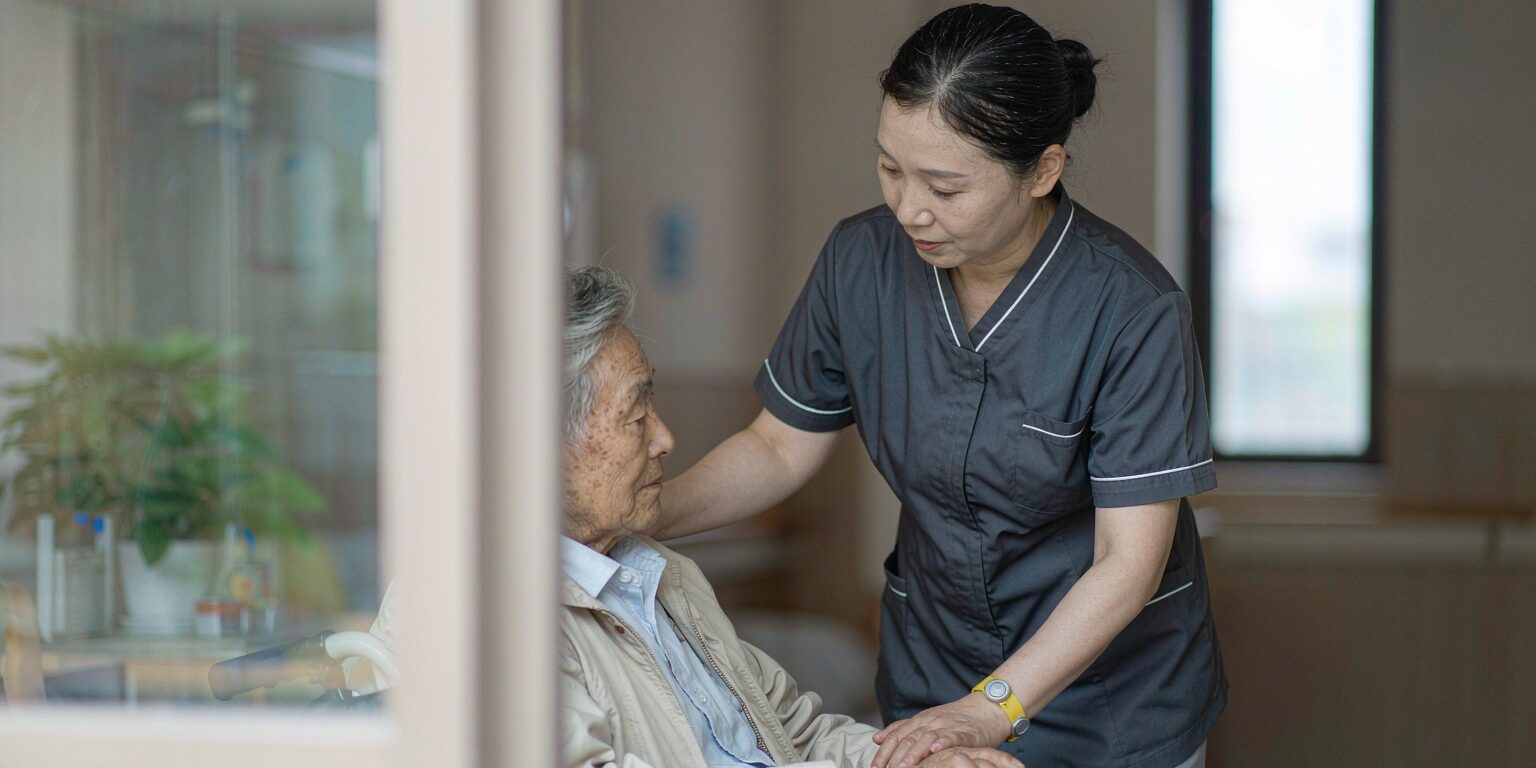
Introduction: Japan’s Aging Society and the Case for RFID in Elderly Care
Japan has one of the world’s most rapidly aging populations, and elder-care providers are under growing pressure to deliver safer, more efficient care with limited staff. In this environment, elderly care RFID is no longer a futuristic idea. It is a practical response to a daily challenge: how to identify residents accurately, prevent wandering incidents, and document care without adding administrative burden.
For Japanese elder-care facilities and hospital administrators, an RFID wristband deployment can connect everyday workflows—from medication rounds to meal service—into a single, auditable system. This article outlines realistic use cases, technology choices, and implementation considerations for patient tracking senior care using RFID-enabled identification.
Why Elderly Care RFID Matters More Than Ever
Elderly residents may have cognitive, visual, or speech impairments that make traditional identification methods unreliable. A printed name or barcode can be damaged, misread, or lost. RFID technology removes several of these failure points by allowing staff to scan without line-of-sight and by storing identification data directly on the wristband.
In many care settings, nurses and caregivers spend considerable time on paper-based checks and manual identity confirmation. A nursing home wristband program can reduce that burden while improving accuracy. The result is not just faster documentation; it is more time for resident interaction and a stronger culture of safety.
- Accurate resident identification: Staff can confirm identity at medication, meal, and transport points within seconds.
- Wandering and elopement detection: Doorway-based detection can trigger alerts when a resident wearing a wristband approaches an unsecured exit.
- Reduced manual documentation: Scan events create an automatic record, reducing paper logs and transcription errors.
- Faster emergency response: Care teams can verify identity and critical care notes at the point of need.
Use-Case Scenarios for Japanese Elderly Care Facilities
1. Nursing Home Resident Tracking and Safety
In a multi-floor nursing home, staff need to know where residents are without intrusive surveillance. A nursing home wristband with a lightweight RFID chip can be worn on the wrist and scanned at zone checkpoints, activity rooms, and care stations. This creates a passive record of resident movement that helps staff locate individuals quickly and review patterns without constant visual monitoring.
For short-term or hygiene-sensitive settings, RFID disposable paper wristbands offer a practical, cost-effective option for temporary care programs, hospital transfers, or event-based elder-care activities.
2. Hospital Inpatient Identification for Senior Patients
Hospitals treating older adults often manage high patient turnover and complex medication schedules. A hospital RFID wristband can serve as the patient’s digital identity from admission to discharge. Nurses can scan the wristband at bedside to verify patient identity, access care orders, and log medication administration.
This reduces the risk of wrong-patient errors and ensures that even when a patient is confused or unable to communicate, the wristband provides reliable identity verification. It also supports family members who want assurance that their loved one is receiving the correct treatment.
3. Dementia Care and Wandering Prevention
Dementia care units require a balance between freedom of movement and resident safety. RFID-enabled wristbands allow facilities to monitor movement patterns passively, without constant visual supervision. When integrated with doorway antennas or zone readers, the system can generate a real-time alert if a resident attempts to leave a secure area.
This approach is less restrictive than locked doors alone and helps staff respond quickly when a resident becomes disoriented. It also provides data for care planning, such as identifying periods of restlessness or repeated approaches to certain exits.
4. Rehabilitation and Day-Service Attendance
Many Japanese communities offer day-service and rehabilitation programs for older adults. RFID wristbands simplify check-in, track attendance, and allow staff to verify which services each participant is scheduled to receive. This reduces front-desk congestion and improves family confidence in the program’s oversight.
Choosing the Right RFID Wristband for Elderly Care
Not all RFID wristbands are suitable for elderly care. Skin comfort, durability, waterproofing, and tamper resistance should guide the decision. For long-term residents, RFID silicone wristbands are often preferred because they are soft, hypoallergenic, and resistant to water and daily wear. For short-stay or high-turnover environments, disposable options are easier to replace and maintain.
| Use Case | Recommended Wristband | Operational Benefit |
|---|---|---|
| Short-term hospital stay | RFID disposable paper wristbands | Low cost, single-use hygiene, clear patient identification |
| Long-term nursing home residency | RFID silicone wristbands | Skin-friendly, langlebig, waterproof for daily care |
Technology Considerations: HF-NFC vs UHF RFID for Elderly Care
Facilities should choose the radio frequency that matches their scanning distance and data needs. HF-NFC technology is read at close range, which can be ideal for bedside medication verification and privacy-conscious interactions. UHF RFID technology supports longer read ranges, which is useful for doorway monitoring and zone-based location tracking.
Complementary NFC tags und RFID-Tags can be used on care equipment, medicine carts, and room checkpoints to create a more complete care environment without requiring every item to carry a wristband.
For mobile care teams, ein handheld RFID scanner allows staff to read wristbands during rounds, Transport, or outdoor activities without returning to a fixed workstation.
Privacy, Ethics, and Resident Dignity
Any elderly care RFID project in Japan must respect personal information protection laws and the dignity of residents. The wristband should not feel like a tracking device. Facilities should explain the purpose clearly to residents and families, store only necessary data, and restrict access to authorized care staff. A privacy-first design builds trust and supports long-term acceptance.
Transparency is especially important in dementia care, where residents may not be able to consent in the same way as other patients. Facility leaders should document the care rationale, establish clear data retention rules, and provide families with a clear explanation of what information is collected and how it is used.
Implementation Best Practices for Japanese Facilities
- Start with one ward or floor: Pilot the system in a controlled area to measure staff adoption and workflow impact.
- Involve nurses and caregivers early: Frontline staff can identify practical issues with scanning angles, glove use, and resident movement.
- Integrate with existing care software: Choose wristbands and readers that can export data to electronic health records or nursing management systems.
- Plan for lost or damaged wristbands: Have a reissue process that does not delay care or compromise identity verification.
- Review access logs regularly: Auditing who scanned which wristband supports accountability and incident investigation.
Facilities in Japan and across Asia are evaluating RFID wristband programs because they address real care challenges. With the right product selection and a privacy-conscious rollout, elder-care teams can reduce manual work, prevent safety incidents, and spend more time with residents.
Frequently Asked Questions
What is the best RFID wristband for elderly care?
The best choice depends on the care setting. For long-term nursing home residents, RFID silicone wristbands are often preferred for comfort and durability. For short-term hospital stays, RFID disposable paper wristbands are a cost-effective single-use option.
Can RFID wristbands prevent wandering in nursing homes?
Ja. When RFID wristbands are integrated with doorway readers or zone antennas, the system can detect when a resident approaches an exit and alert staff. This supports wandering prevention without constant visual monitoring.
How do RFID wristbands support patient tracking senior care?
Each wristband carries a unique identifier that staff can scan to confirm identity, access care instructions, and log events such as medication administration, meal service, or therapy attendance. This creates an auditable care record.
Is RFID safe for elderly residents?
Passive RFID wristbands use extremely low power and do not require batteries. They are widely used in healthcare settings. Facilities should still follow privacy policies and explain the purpose to residents and families.
Can RFID wristbands integrate with existing hospital systems?
Many RFID readers and wristbands can export data to electronic health records or nursing management platforms. Work with an RFID supplier to confirm integration options before deployment.
Plan Your Elderly Care RFID Wristband Deployment
RFIDHY supports Japanese elder-care facilities and hospital administrators with RFID wristbands, patient wristband options, and production guidance for healthcare projects. Contact our team to discuss your patient tracking senior care requirements and request product samples for evaluation.