
Affordable RFID Wristbands for India’s Hospitals and Events: A Practical Buyer’s Guide

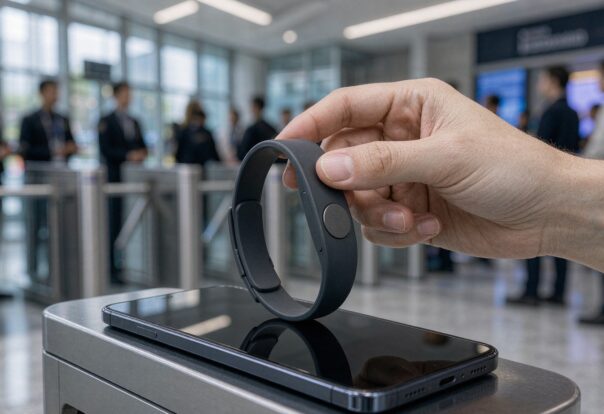
India’s hospital groups and event operators face a common challenge: how to deploy reliable RFID wristbands without exceeding tight budgets. This buyer’s guide examines affordable RFID wristband options for patient identification, access control, and cashless payments in India’s growing healthcare and entertainment sectors. Compare disposable paper, thermal, vinyl, fabric, PVC, and silicone wristbands, and understand which type delivers the best value for hospitals, festivals, and water parks. Learn about technical considerations such as frequency, inlay selection, and waterproofing, and see how a well-chosen affordable wristband can deliver measurable ROI through reduced errors, faster throughput, and higher guest spending. Contact RFIDHY for bulk pricing and samples.

Details

K-Entertainment & Patient Safety: How Korea Adopts RFID Wristbands

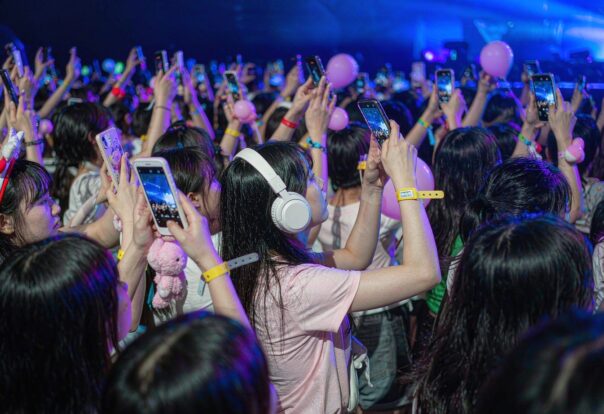
South Korea is emerging as a high-adoption market for RFID wristbands across two distinct sectors: K-pop entertainment and hospital patient safety. For event promoters, RFID wristbands streamline access control, reduce queue congestion, and enable cashless payments at concerts and fan events. For healthcare procurement teams, patient safety RFID Korea deployments support accurate identity verification and smoother clinical workflows. This guide examines dual-use cases, material and frequency considerations, integration requirements, and practical implementation steps for Korean buyers. It also includes an FAQ and supplier evaluation checklist to help you source the right wristband solution for entertainment access control or patient identification.

Details

RFID Wristbands in Elderly Care: Japan’s Aging-Society Use Case

Japan’s rapidly aging society is pushing elder-care providers to find safer, more efficient ways to identify and protect residents. This guide explores how RFID wristbands can support elderly care in Japan, covering patient tracking senior care, nursing home wristband use cases, dementia wandering prevention, medication safety, and rehabilitation attendance. It also compares HF-NFC and UHF RFID technology options, addresses privacy and ethical considerations, and outlines implementation best practices for Japanese elder-care facilities and hospital administrators. Read on to learn how a well-designed RFID wristband program can reduce manual documentation, improve resident safety, and give care teams more time for human-centered care.

Details

NHS Digitalisation and RFID: Patient ID Wristbands in UK Hospitals

NHS digitalisation is making accurate patient identification more important than ever. This guide explores how RFID patient wristbands can support safer, faster UK patient identification for NHS trusts and private healthcare procurement teams. It covers hospital RFID wristband formats, NHS compliance considerations, barcode vs RFID comparison and practical implementation steps for healthcare digitalisation without disrupting existing workflows.

Details

Eco-Friendly Reusable RFID Wristbands: The EU Sustainability Imperative for Venues and Brands

European venues and brands are under increasing pressure to reduce single-use plastic waste. This guide explores how eco-friendly reusable RFID wristbands help meet EU sustainability targets without compromising access control, cashless payments, or guest experience. Learn about PVC-free materials such as silicone and fabric, compare reusable versus disposable wristbands, and discover practical steps for launching a sustainable wristband programme that aligns with circular economy principles and upcoming EU regulations.

Details

GDPR-Compliant RFID Wristbands for European Events and Healthcare: A B2B Compliance Guide

European event organizers and hospital IT/compliance teams must treat RFID wristbands as more than simple access tools. Under GDPR, a unique wristband ID linked to a ticketholder or patient record is personal data. This guide explains lawful bases, data minimisation, DPIAs, processor agreements, and technical safeguards for compliant EU events and healthcare deployments. It covers product choices such as silicone, paper, NFC and hospital-grade RFID wristbands, and provides a practical checklist for procurement, reader integration, data retention and on-site privacy governance.

Details

How US Hospitals Cut Medication Errors with RFID Patient Wristbands

Medication errors linked to patient misidentification remain a serious safety concern in US hospitals. This article explains how RFID patient wristbands support positive patient identification at the point of care, reduce medication administration risks, and align with Joint Commission patient safety goals. It covers HF NFC wristband healthcare workflows, barcode-vs-RFID comparisons, implementation requirements, data integration, privacy considerations, and procurement guidance for hospital administrators and healthcare supply chain teams.

Details

RFID Wristbands for US Music Festivals: Access Control & Cashless Payments Guide

US music festivals are adopting RFID wristbands to streamline entry, reduce fraud, and unlock cashless revenue. This guide explains how RFID wristbands work for access control and cashless payments, compares HF and UHF frequencies for event use, and reviews the most suitable wristband materials for multi-day festivals. Learn why festival RFID wristbands are becoming the standard for US event organizers, and how to choose the right wristband for your venue. Request a quote to discuss your specific festival requirements.

Details

Silicone vs PVC RFID Wristbands: A B2B Buyer’s Guide from a Manufacturing Hub

Material choice has a direct impact on unit cost, durability, read performance, and user experience when sourcing wholesale RFID wristbands. This B2B buyer’s guide compares silicone and PVC options from the perspective of a China-based RFID wristband manufacturer. It covers material properties, chip selection, tooling and lead time, customization, and application fit for events, resorts, and access control. Distributors and procurement teams will learn how to evaluate total landed cost, specify the right inlay and closure, and ask the right questions before placing a bulk RFID order. Use this practical comparison to shorten sampling cycles and avoid costly over-specification.

Details

HF-NFC vs UHF RFID Wristbands: Choosing the Right Frequency for Your Use Case

Selecting between HF-NFC and UHF RFID wristbands is one of the most important decisions for event operators, healthcare teams, and industrial access projects. HF-NFC operates at 13.56 MHz and delivers secure, short-range interaction for payment, access, and guest engagement. UHF operates at 860–960 MHz and supports long-range, high-speed identification for gates, vehicle access, and logistics. This technical guide compares read range, data speed, memory, cost, and real-world applications to help you choose the right RFID wristband frequency for your deployment.

Details

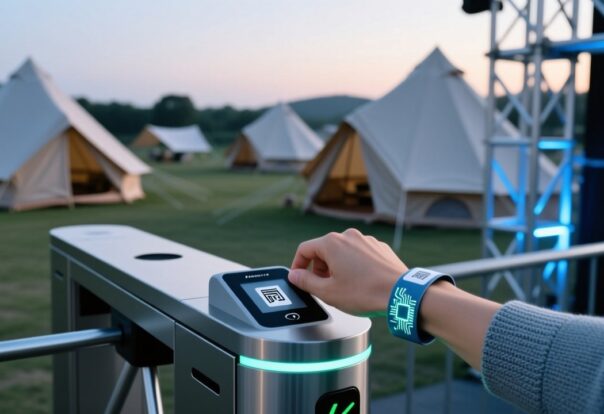
Multi-Day Festival RFID Wristband Strategy: Re-Entry, Camping, and Staging Access Control

Multi-day festivals demand more than a basic ticket scanner. This operational guide explains how to deploy a multi-day festival RFID wristband strategy covering re-entry validation, camping zone permissions, stage-area access, and durable wristband selection. Learn how fabric RFID wristbands with tamper-evident clasps and waterproof construction support weekend-long wear, while zone-specific readers manage real-time occupancy and prevent day-pass holders from entering restricted camping areas. The article also covers integration with access control and cashless payment systems, day-pass versus weekend-pass access windows, and how to choose fade-resistant, washable credentials for extended events.

Details

RFID Wristbands for Night Clubs and Bars: Age Verification, VIP Access, and Cashless Operations

High-volume nightclubs and bars face strict age-gating, capacity limits, fast queues, and premium service expectations. This guide explains how RFID wristbands support ID-linked age verification at the door, faster tap-in entry, real-time occupancy control, tiered VIP access, and cashless bar payments. It also covers PVC wristband durability, anti-fraud protections against wristband sharing and underage re-entry, color-coded staff identification, incident response workflows, and integration with POS and ID scanning systems for nightlife venues. Use this overview to evaluate RFID wristband deployment for age-gated venues.

Details