
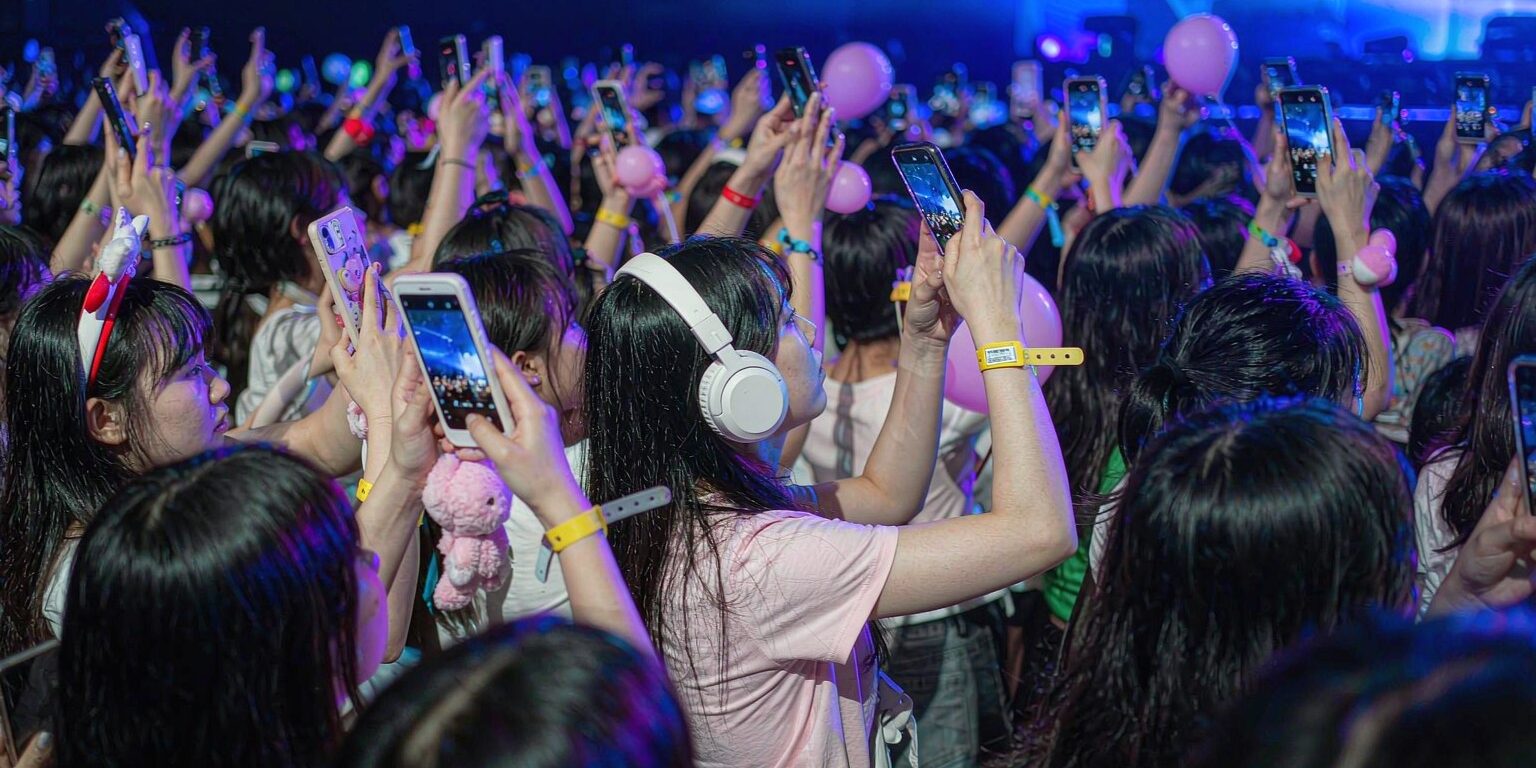
South Korea has become one of the most closely watched markets for RFID wristbands, and not only because of K-pop. The same lightweight credential that speeds up concert entry is now being evaluated in hospital wards, emergency departments, and outpatient clinics. For Korean event promoters and healthcare procurement teams, the opportunity is clear: an RFID wristband platform can support faster access control, cashless payments, patient identification, and clinical workflow tracking without changing the physical experience.
This trend is not about futuristic gimmicks. It reflects practical pressure in two high-volume environments. Entertainment venues need to move thousands of fans through gates quickly while protecting VIP zones and payment systems. Hospitals need to confirm the right patient is receiving the right treatment at every step. Technologie RFID, especially passive UHF and HF wristbands, offers a non-line-of-sight read that barcode-only systems cannot match.
Why South Korea Is a Fast-Moving RFID Wristband Market
The Korea RFID wristband market sits at the intersection of dense urban venues, a global entertainment export industry, and a national digital healthcare agenda. Event organizers in Seoul, Busan, and Incheon routinely manage multi-day festivals with complex access tiers. Dans le même temps,, Korean hospitals are digitizing patient identification and medication administration records. In both contexts, a wristband is already a familiar form factor, which makes RFID adoption less disruptive than replacing badges or cards.
Korean buyers also tend to prioritize systems that are easy to integrate. A K-pop event wristband must connect with ticketing, POS, and access control software. A patient safety RFID Korea deployment must connect with electronic medical records, laboratory systems, and nursing workflows. Suppliers that offer encoding, impression personnalisée, and API-level integration support are therefore better positioned in this market.
Dual-Use Case 1: K-Entertainment and Live Event Access Control
K-pop events are high-velocity operations. Fans expect quick entry, secure zones, and convenient in-venue purchases. RFID technology supports all three without requiring staff to visually inspect each ticket. A wristband embedded with a chip can be read at a gate reader in less than a second, giving event teams real-time counts for capacity and zone management.
For multi-day festivals and concerts, RFID silicone wristbands are a popular choice because they are waterproof, durable, and comfortable for prolonged wear. For single-day events or fan meetings where cost and speed matter, RFID disposable paper wristbands can be issued quickly and discarded after the event.
Frictionless Entry and Crowd Flow
- Tap-and-go gates reduce queue buildup at peak arrival times
- Wide read zones allow multiple fans to pass without single-file bottlenecks
- Zone-level permissions automatically separate general admission, VIP, and staff areas
- Real-time attendance data helps security and operations teams respond to congestion
Cashless Payments and VIP Tiering
Cashless payment is now a common expectation at large Korean music events. An RFID wristband can be linked to a prepaid account or payment token, allowing fans to buy food, merchandise, and drinks without cash or phones. Tiered access can be encoded at the point of issuance, so one credential supports both entry and spend. For premium hospitality packages, some organizers choose RFID fabric woven wristbands for a softer feel and high-quality branding.
For a deeper look at access hierarchy, see our guide to VIP vs General Admission: Using RFID Wristbands for Tiered Event Access.
Dual-Use Case 2: Patient Safety and Hospital Identification
In Korean hospitals, patient identification is a clinical safety issue. Manual name checks and barcode wristbands can be affected by faded labels, wristband damage, or line-of-sight scanning problems. RFID wristbands can be read through light fabric, bedding, and gloves, which supports bedside verification without disturbing the patient.
Healthcare procurement teams are evaluating hospital RFID wristbands for admission, medication administration, lab specimen collection, and discharge workflows. The same patient safety RFID Korea logic applies in emergency rooms, where rapid identification can support faster triage and safer handoffs between shifts.
Reducing Identification Errors
A wristband encoded with a unique patient ID links directly to the electronic medical record. At the bedside, a nurse can scan the wristband and confirm the patient’s identity, allergies, current orders, and upcoming medications. Because the read does not require perfect alignment, it is often faster than barcode scanning in busy wards.
For facilities that need on-demand printing, RFID thermal wristbands combine printable patient information with radio-frequency identification for clinical systems.
Hygiene, Durabilité, and Workflow Integration
Patient wristbands must survive handwashing, showers, and repeated contact with cleaning agents. Healthcare buyers should look for water-resistant materials, tamper-evident closures, and smooth edges that reduce skin irritation. For short-stay patients, single-use options simplify infection control and disposal. For long-term care, durable synthetic materials may be preferred.
Integration with hospital information systems is equally important. Reading points at nursing stations, medication carts, and laboratory receiving areas should map each wristband read to the correct patient record. Korean procurement teams should ask suppliers about middleware, API documentation, and compatibility with existing electronic medical record platforms.
Key Differences: Entertainment vs. Patient Safety Use
| Aspect | K-Entertainment Use | Patient Safety Use |
|---|---|---|
| Primary goal | Fast entry, cashless payments, zone control | Accurate identification, medication safety |
| Frequency | Hf (13.56 MHz) or UHF depending on read range | HF commonly used for bedside verification |
| Matériel | Silicone, Tissu, disposable paper | Thermal, synthetic paper, Pvc |
| Durabilité | Waterproof for multi-day events | Water-resistant, single-use or short-stay |
| Data stored | Event ID, payment token, access tier | Patient ID, visit number, clinical flags |
| Integration | Ticketing, POS, contrôle d’accès | Electronic medical records, lab systems |
| Compliance focus | Privacy consent, payment security | Personal data protection, medical workflow |
Implementation Checklist for Korean Procurement Teams
Whether you are planning a K-pop concert or a hospital ward pilot, the following steps help reduce risk and improve adoption.
- Define read points: Identify every door, gate, nursing station, or payment terminal where the wristband must be read.
- Select frequency and material: Match HF or UHF with the read distance, environment, and wear duration. Review our frequency selection guide for technical comparisons.
- Run a pilot: Test a small batch in one venue gate or one hospital ward before full deployment.
- Validate in real conditions: Check performance in crowded queues, wet environments, and after repeated sanitization.
- Plan reissue workflows: Lost or damaged wristbands need a clear replacement process. See our on-site replacement and reissue best practices for event teams.
- Document data handling: Follow Korea’s personal data protection rules and keep consent and retention policies clear.
- Choose a supplier with encoding and custom printing: Verify that the provider can pre-encode chips, print patient or event data, and support your integration tools.
Trend Outlook: One Technology, Two Missions
The adoption pattern in South Korea points toward a shared infrastructure. Event companies are learning from healthcare about identity verification and data governance. Hospitals are learning from entertainment about fast, contactless credential reads. In the coming years, the lines between a K-pop event wristband and a patient identification band may blur at the supply-chain level, even though the clinical and consumer use cases remain distinct.
For procurement teams, the most important decision is not whether to use RFID, but which wristband material, chip frequency, and integration model best fits the specific workflow. A concert promoter optimizing for crowd flow may choose durable RFID silicone or fabric wristbands with UHF read range. A hospital optimizing for bedside accuracy may choose HF thermal or synthetic paper wristbands integrated with electronic medical records. Both can benefit from working with a supplier that understands Asia-Pacific manufacturing and event or healthcare requirements.
As Korea continues to export entertainment experiences and advance its digital health systems, RFIDHY expects the dual-use RFID wristband category to grow in sophistication, compliance requirements, and customization options.
Conclusion
Korea’s parallel adoption of RFID wristbands in K-entertainment and patient safety signals a broader shift toward contactless, data-rich credentials. For event promoters, the result is smoother access control and faster revenue capture. For healthcare procurement teams, the result is safer patient identification and more reliable clinical workflows. By evaluating frequency, Matériel, integration, and local data protection early, Korean buyers can deploy a solution that scales from a single concert to a multi-hospital system.
Frequently Asked Questions
Why are RFID wristbands preferred over barcode wristbands at Korean events?
RFID wristbands can be read without direct line of sight, allowing faster gate entry and less staff handling. They also support zone control and cashless payments, which barcode-only wristbands cannot do as efficiently.
Are RFID wristbands safe for hospital patient use in Korea?
Oui, when implemented with appropriate data protection and material selection. Passive RFID wristbands are widely used for patient identification, and Korean healthcare procurement teams should confirm the wristband material is water-resistant, hypoallergenic, and tamper-evident.
What frequency is used for K-pop event access control?
Both HF (13.56 MHz) and UHF are used. HF is common for short-range tap-and-go reads, while UHF can support longer read zones at gates. The choice depends on venue layout, gate design, and integration requirements.
Can one RFID wristband support both access control and cashless payment?
Oui. An RFID wristband can store or reference an event ID, access tier, and payment token. When linked to a secure backend system, the same wristband can verify entry, open VIP zones, and process cashless transactions.
How should Korean healthcare procurement teams approach RFID wristband adoption?
Start with a clearly defined clinical workflow, choose the correct material and frequency, pilot in one ward, and require API-level integration with electronic medical records. Data handling and patient privacy must be documented from the beginning.
Planning a K-pop event or patient safety program in South Korea? Contact RFIDHY to discuss RFID wristband materials, encoding, impression personnalisée, and integration support.
Browse RFID wristbands for entertainment, Santé, and access control applications.