Selecting the right RFID wristband supplier is one of the most critical decisions for procurement teams and first-time bulk buyers. Whether you are planning a large music festival, managing patient identification in a hospital, or equipping a resort with cashless access control, the quality of your RFID wristbands directly impacts guest experience and operational efficiency. A weak supplier can cause read failures, supply delays, and unexpected costs, while a reliable RFID manufacturer becomes a long-term partner. This checklist outlines 10 questions to ask before ordering, helping you evaluate RFID vendor capabilities and choose the best RFID wristband OEM for your project.
Why Supplier Selection Matters
RFID wristbands combine wearable form factors with embedded RFID tags that store unique identifiers. They are used for access control, cashless payments, patient tracking, and more. Because these wristbands are often worn for hours or days, they must withstand stretching, moisture, and daily wear. The supplier’s manufacturing precision determines whether each wristband encodes correctly and reads consistently at your gates or checkpoints. Additionally, hidden costs such as shipping, programming, and replacement units can inflate your total spend. Asking the right questions upfront protects your budget and your timeline.
10 Questions to Ask Your RFID Wristband Supplier
1. What RFID frequencies and chip models do you support?
RFID wristbands typically operate at high frequency (HF/NFC) or ultra-high frequency (UHF). HF wristbands, often using NTAG or MIFARE chips, are ideal for short-range tap-to-pay or access control. UHF wristbands provide longer read ranges and faster batch scanning, making them popular for large events and logistics. Ask your supplier which frequencies they manufacture and whether they offer a choice of chips such as NXP, Impinj, or Alien. A capable RFID wristband OEM should help you select the right frequency based on your reader infrastructure and use case. Also verify that they provide compatible RFID readers or can recommend integration partners.
2. Can you provide samples and a small pilot run?
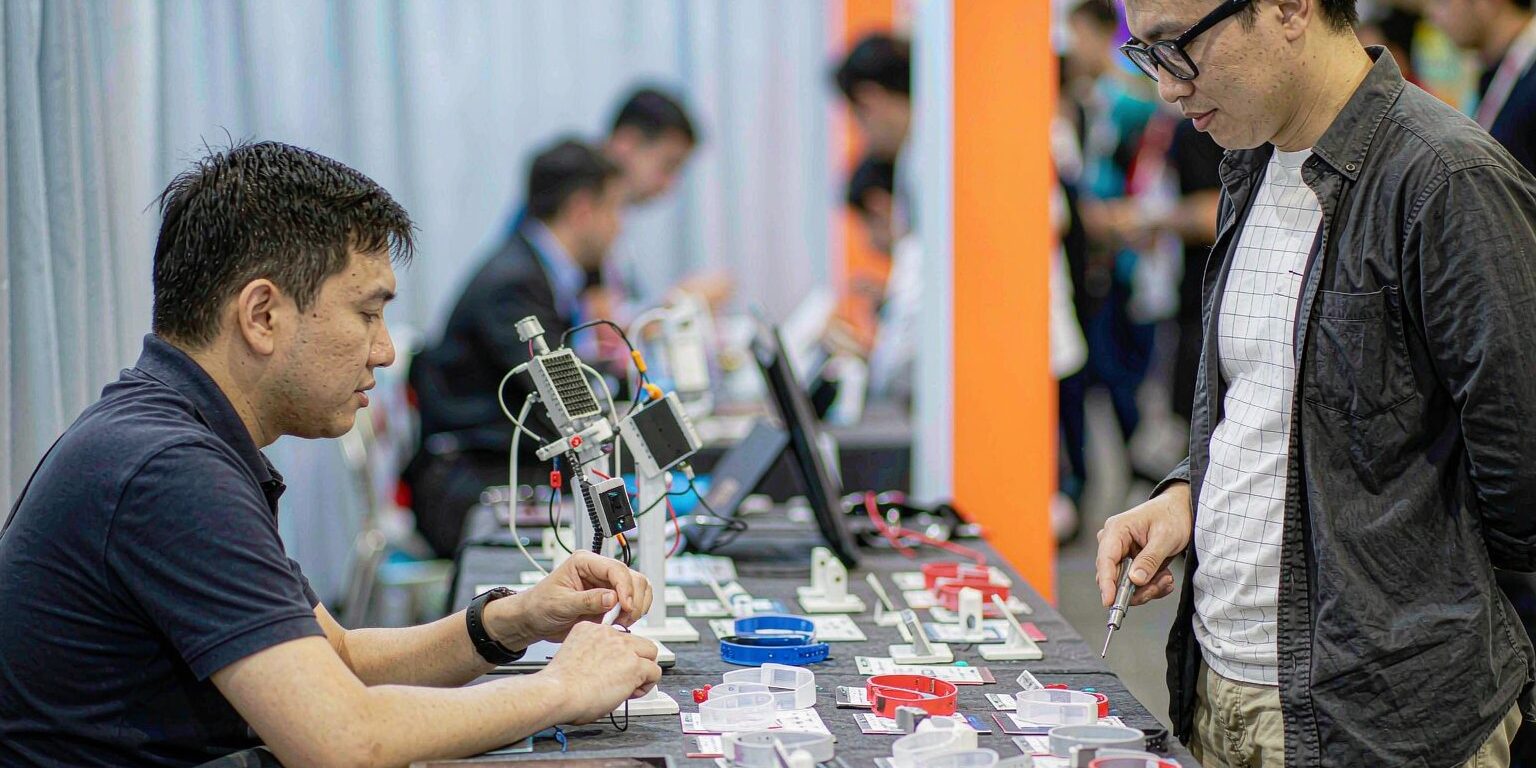
Never commit to a full bulk order without testing physical samples. Request sample wristbands in your intended materials—silicone, fabric, PVC, or paper—and test them with your readers and software. A reputable RFID vendor will also support a pilot run of 50–100 units so you can evaluate encoding, durability, and user acceptance before scaling up. The cost of samples is small compared with the risk of receiving thousands of unusable wristbands.
3. What is your minimum order quantity (MOQ) and typical lead time?
MOQs vary widely among RFID wristband suppliers. Some manufacturers require 10,000 pieces, while others accept orders as low as 500. Clarify the MOQ for each wristband type and customization level. Also confirm production lead times, including artwork approval, chip allocation, and shipping. If your project has a hard deadline, ask about expedited options and whether they keep stock on common chips.
4. What certifications and quality control processes do you have?
Quality certifications such as ISO 9001 indicate a structured manufacturing environment. Ask about testing protocols for read success rate, tensile strength, waterproofing, and print durability. For healthcare or food-related applications, you may need additional compliance. A transparent supplier will share test reports and allow factory audits. Avoid vendors who cannot demonstrate consistent quality assurance.
5. How do you handle custom design and encoding?
Most RFID wristbands require custom printing (logos, colors, barcodes) and chip encoding (unique IDs, URLs, or encrypted data). Clarify whether the supplier handles both in-house or outsources. In-house printing and encoding reduce lead times and miscommunication. Also ask about variable data printing, QR code integration, and whether they offer cloud-based encoding services for easy integration with your event or facility management software.
6. What is your experience with our industry or use case?
Different industries have different requirements. A supplier experienced in music festivals understands the need for quick scanning at gates, while a hospital supplier must meet patient safety and data privacy standards. Ask for examples of past projects in your sector—without fabricated claims—and ask for references you can contact directly. Industry experience reduces the learning curve and avoids common pitfalls.
7. How do you ensure data security and privacy?
RFID wristbands may carry sensitive information such as payment credentials, patient IDs, or access rights. Your supplier should support chip-level encryption, password protection, and anti-cloning features. For NFC tags used in wristbands, ask about NTAG DNA or similar secure chips that provide cryptographic authentication. Also discuss how they handle encoding data during production to prevent leaks or duplication.
8. What are your pricing terms and what is included?
Compare quotes not just on unit price but on total cost of ownership. Clarify whether the price includes tooling, setup, encoding, custom printing, packaging, and shipping. Ask about payment terms, currency, and any volume discounts. For large orders, consider negotiating staged deliveries to manage cash flow and storage. Beware of unrealistically low prices that may indicate substandard chips or materials.
9. What after-sales support and replacement policies do you offer?
Even with good quality control, a small percentage of wristbands may fail. Understand the supplier’s policy on defective units: will they replace them free of charge? What is the threshold for accepting returns? Also ask about technical support for integration issues, such as reader configuration or encoding errors. A supplier that provides ongoing support is more valuable than one that disappears after delivery.
10. Can you provide references or verifiable customer feedback?
Ask for contactable references or verifiable customer testimonials. Legitimate RFID wristband suppliers should be willing to connect you with past clients, especially for similar projects. You can also check online reviews, industry forums, and trade show reputation. Do not rely solely on marketing claims; verify independently.
Quick Reference Checklist
| # | Question | Key Points to Evaluate |
|---|---|---|
| 1 | Frequencies and chips | HF/NFC vs UHF, chip options, reader compatibility |
| 2 | Samples and pilot run | Sample availability, pilot quantity, testing support |
| 3 | MOQ and lead time | Minimum order, production time, expedited options |
| 4 | Certifications and QC | ISO, test reports, defect rate |
| 5 | Customization and encoding | In-house capability, variable data, cloud encoding |
| 6 | Industry experience | Past projects, references, sector knowledge |
| 7 | Data security | Encryption, anti-cloning, data handling |
| 8 | Pricing and TCO | Included costs, payment terms, volume discounts |
| 9 | After-sales support | Replacement policy, technical support, warranty |
| 10 | References and feedback | Contactable clients, online reviews, reputation |
Additional Tips for Evaluating RFID Wristband Suppliers
Beyond these 10 questions, consider visiting the supplier’s factory or scheduling a video tour. Observe their production environment, equipment, and worker expertise. Ask about their sourcing of RFID chips and inlays—do they use genuine components from established semiconductor manufacturers? Also evaluate their communication responsiveness and willingness to answer technical questions. A trustworthy RFID manufacturer will be transparent about capabilities and limitations.
Conclusion
Choosing the right RFID wristband supplier is not about finding the cheapest quote; it is about finding a partner who understands your requirements and delivers consistent quality. By asking the 10 questions above, you can systematically evaluate RFID vendors and reduce risk. Whether you need RFID silicone wristbands for an amusement park, RFID fabric woven wristbands for a festival, or custom printed wristbands for patient tracking, the right vendor makes all the difference.
FAQ
What is the difference between HF and UHF RFID wristbands?
HF/NFC wristbands operate at 13.56 MHz and are read at close range (a few centimeters), making them ideal for tap-to-pay and access control. UHF wristbands operate at 860–960 MHz and can be read from several meters away, which is better for batch scanning and large events.
What is the typical MOQ for RFID wristbands?
MOQs vary by supplier and wristband type. Disposable paper or PVC wristbands may have lower MOQs (500–1,000 units), while custom silicone or fabric wristbands often require 1,000–5,000 units or more. Always confirm MOQ before finalizing your design.
Can I get custom printed RFID wristbands with unique IDs?
Yes, most RFID wristband suppliers offer custom printing and encoding. You can specify unique serial numbers, URLs, or encrypted data for each wristband. Be sure to ask about encoding format, data capacity, and whether they provide a sample file for validation.
How long does it take to produce RFID wristbands?
Lead times depend on complexity, quantity, and customization. Standard orders typically take 2–4 weeks after artwork approval and chip allocation. Rush orders may be possible for an additional fee. Confirm exact timelines with your supplier early in the process.
Ready to Choose Your RFID Wristband Supplier?
Contact RFIDHY today to discuss your project requirements. Our team can help you evaluate frequencies, materials, and encoding options, and provide samples for testing. Visit our Shop Wristbands page to explore our product range, or reach out for a custom quote.