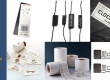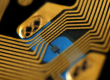
RFID 기술의 구현으로 세탁 과정 전반에 걸쳐 플랫 린넨과 작업복의 식별 및 추적성을 최적화하는 것이 가능해졌습니다.. 이것이 가능해졌습니다, 첫째로, 옷감에 Passive RFID 태그를 부착하여 정보를 통합함으로써, 그리고 두 번째로, 이 데이터를 읽고 전송하는 RFID 리더에 의해. This technology allows a fast and error-free follow-up of the linen management in laundry applications.
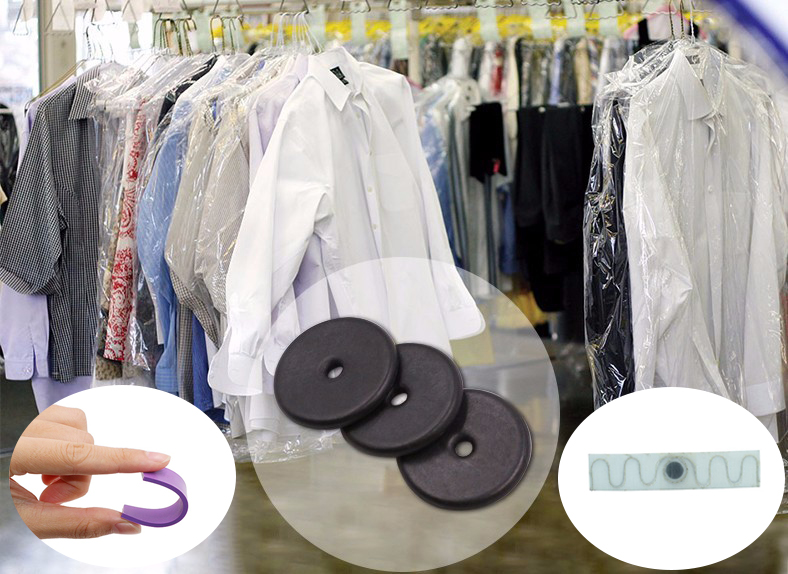
 Laundry is a harsh environment for Passive RFID tags
Tags used in laundries are specifically designed to cope with harsh conditions such as multiple washes, 약, high pressure spin drying and laundry ironing. The tag’s functionalities must be able to remain intact even after more than 50 washes and high pressure during spin drying.
How to choose your laundry Passive RFID tag?
Choosing your tag is not easy because there are several types of clothing tags with different characteristics to best meet your needs.
Choosing the frequency of an Passive RFID tag:
- 저주파 태그 (LF)
- 고주파 태그 (HF)
- 초고주파 (UHF)
These frequencies meet reading distance and reading speed requirements. 따라서, UHF allows faster and more remote data acquisition.
The choice between the RFID reading and / or writing tag:
Depending on your needs, the tag chip can be equipped with just a read function or a read/write function. The reading function allows you to read the information contained in the textile tag, while the second one allows you to read and insert new data.
 Feel free to for any advice. 함께, we will find the Passive RFID tag that will best meet your expectations.
How to fix the RFID laundry tag?
Laundry tags can be attached to the textile in different ways. Either sewn into a hem or simply on the linens, or be permanently marked on the textile by gluing with a fusible label.
하지만, what are these tags used for in the laundry process?
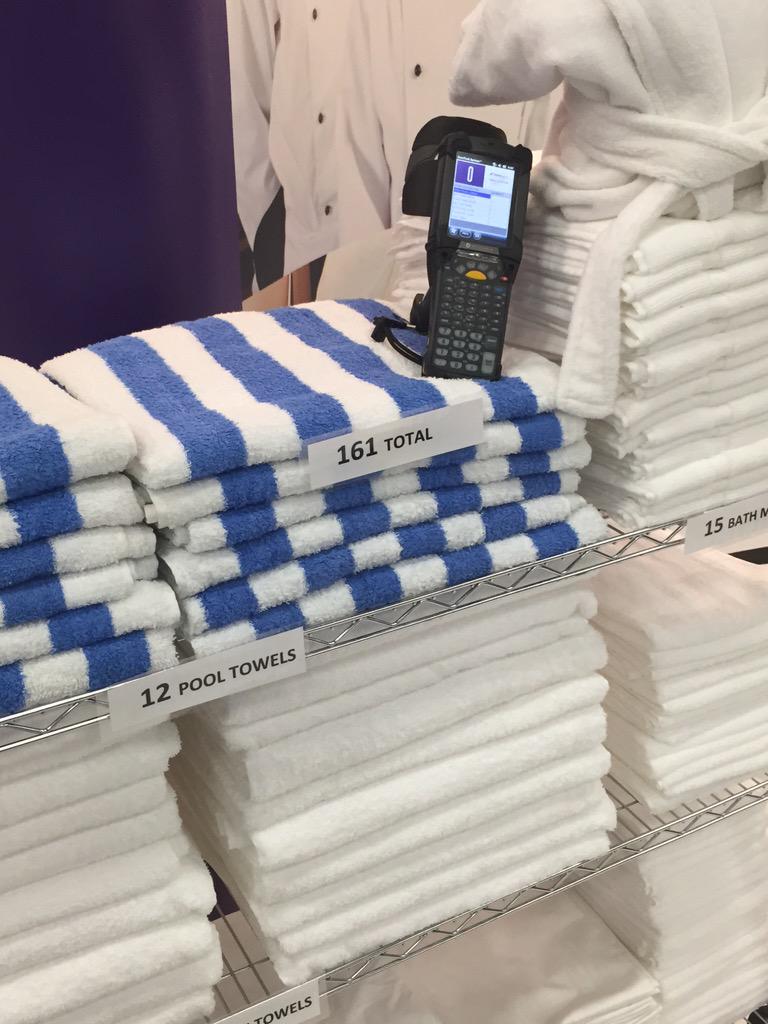
RFID technology allows the identification and traceability of laundry linen. 예를 들어, after arriving in the laundry’s reception area, the dirty laundry trolleys can pass through a gantry equipped with an RFID antenna and connected to a computer that allows the identification of each piece of laundry (type of laundry, 그림 물감, nature of the textile…). The linen can be sorted very efficiently using a PDA, tablet or any other fixed or mobile RFID reader! Once washed, wrung and/or ironed, the linen can be identified again, allowing operators to know in real time what linen is available at the factory. When strapping the batches, the linens can be identified again via an RFID antenna integrated into the strapping machine. This method makes it possible to identify the linens in order to gather similar pieces together. The linen is again ready to leave the factory to supply customers with clean linen!
Passive RFID tags are revolutionizing the operator’s work in the laundry sector. They allow a very significant time advantage, a reduction in errors and losses, an energy saving for employees and a productivity gain for the laundry.