
Arena Zoning and VIP Access with NFC Wristbands
Zoning is a data problem before a hardware problem. Zone rules belong in the access system, and NFC is the right carrier because a deliberate tap at a capacity-limited door is a feature.
HF handles payment gates because only HF carries cryptographic authentication; UHF handles bulk throughput because it removes the stop-and-present step. Most venues need both, at different gates.
Reusable bands usually win for season holders, but the saving is admission-desk labour rather than band cost. The line most quotes omit is the assumed loss rate.

Water parks and amusement parks need a wearable credential that works in wet, high-volume environments. This guide explains how water park RFID wristbands support entry and re-entry, zone-based access control, cashless concessions and retail, and locker access. It covers wristband material selection, reader placement, and a phased operator rollout checklist. Written for park operations, guest experience, and technology teams, the article highlights practical steps for reducing queues, managing cashless payments, and improving on-site security with RFIDHY wristband solutions.
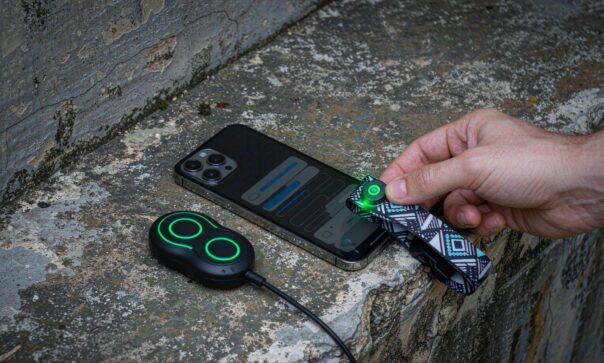
NFC and RFID are not interchangeable terms. In this guide for technical buyers, RFIDHY explains the core differences between NFC vs RFID wristband terminology, how frequencies affect read range and smartphone compatibility, and when to choose each for events, healthcare, access control, and cashless payments. With a comparison table, selection criteria, and integration notes, this article helps you specify the right wearable RFID format without overbuilding or underestimating gate throughput.
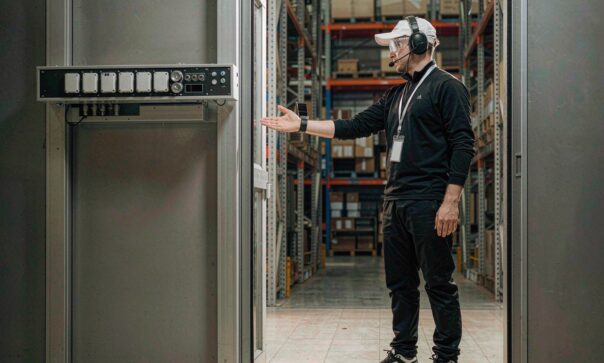
UHF RFID wristbands give event operations and warehouse managers a wearable credential that can be read from several meters away, enabling faster gate throughput, tiered access control, cashless payments, and staff zone management. This technical guide explains how long-range RFID works, how UHF differs from HF/NFC, and how bulk RFID scanning performs in real event and warehouse scenarios. It also covers reader infrastructure, material selection, pilot testing, and integration best practices so B2B teams can evaluate UHF wristband deployments with confidence.
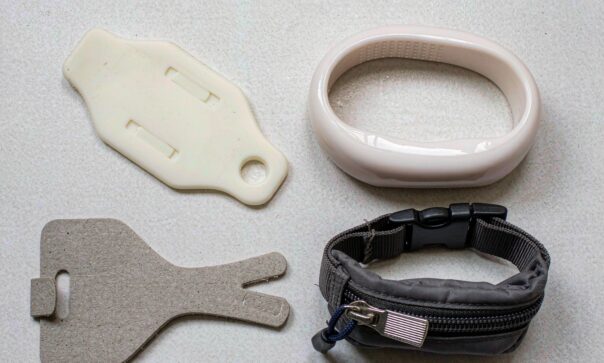
Comparing PVC, silicone, paper, and nylon RFID wristbands can determine the right balance of cost, durability, and guest experience. This guide examines each material’s performance in water resistance, comfort, print quality, and common use cases such as multi-day festivals, healthcare, water parks, and corporate access control. Use the cost and durability comparison table to shortlist materials before you request samples or production quotes.
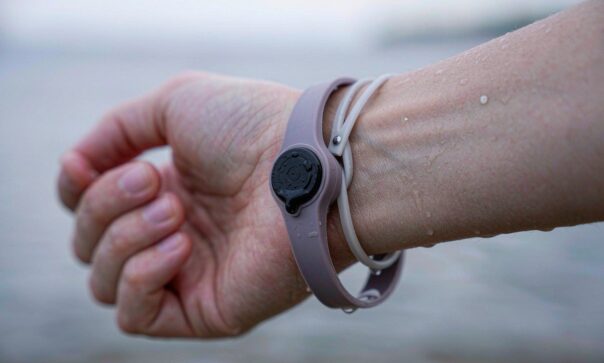
Silicone RFID wristbands offer B2B buyers a durable, waterproof, and reusable identification format for events, healthcare, and hospitality. This guide examines the pros and cons of silicone RFID wristbands compared with PVC and fabric alternatives, explains where medical-grade silicone matters, and breaks down the best use cases from water parks to patient identification. Readers will understand how to evaluate chip frequency, closure type, customization, and sourcing quality before requesting samples for their next deployment.
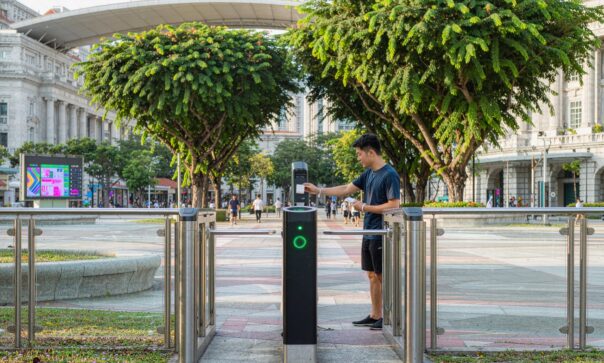
Explore how SEA smart city RFID programs are reshaping access control across Singapore, Thailand, and Vietnam. This guide examines Singapore access control use cases for office towers and smart precincts, Thailand resort wristband strategies for cashless guest journeys, and Vietnam RFID pilots for industrial parks, smart buildings, and public venues. Learn why RFID wristbands sourced from manufacturing hubs provide a scalable, waterproof, cashless, and secure wearable credential for governments, resort operators, and smart-city project leads, with practical integration guidance and a focused FAQ.

Brazil and Mexico are at the center of Latin America’s cashless festival transformation. Promoters and tourism operators are replacing paper tickets and cash bars with RFID wristbands that support faster entry, closed-loop payments, tiered access, and real-time transaction data. This guide looks at how cashless technology performs in Brazil’s hot multi-day festival market and Mexico’s security-conscious large-scale events. It compares silicone, fabric, paper, and PVC wristband formats, explains regional implementation factors, and outlines payment integration, refunds, and on-site replacement steps for B2B event teams planning a LATAM rollout.