
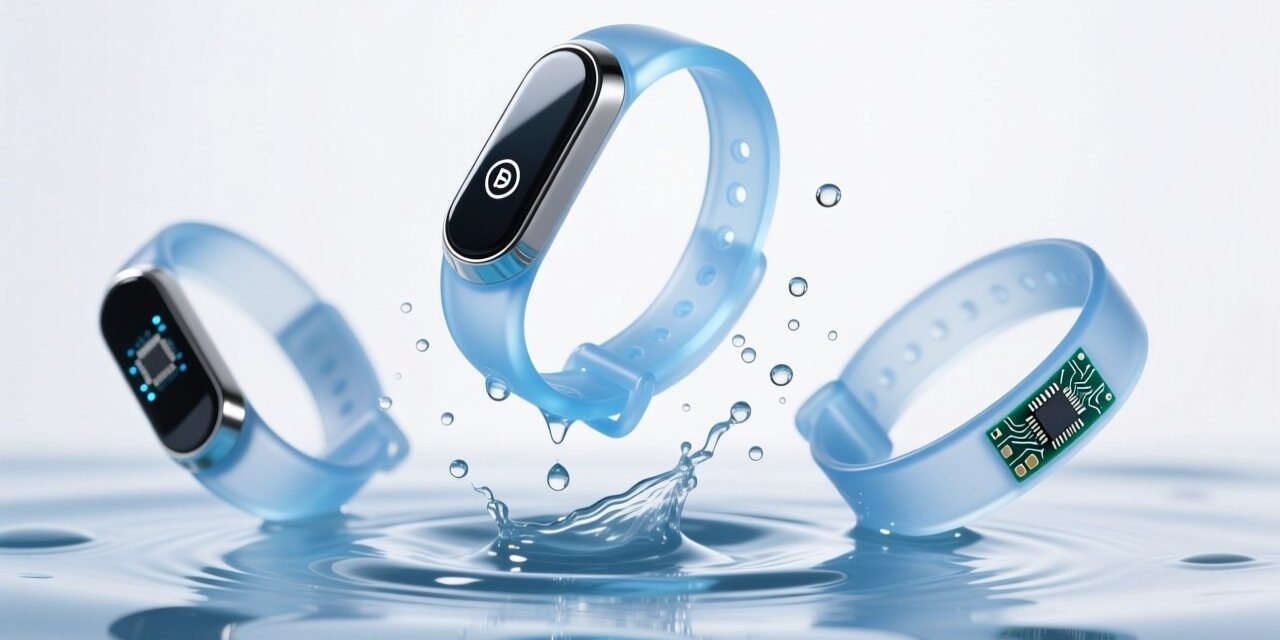
Why Water Resistance Matters in Event RFID Wristbands
For water park managers, summer festival organizers, and outdoor event planners, wristband durability isn’t optional—it’s the backbone of smooth operations. A wristband that fails after a splash or a rain shower can ruin the guest experience, compromise access control, and lead to revenue loss. RFID wristbands are widely used to streamline entry, cashless payments, and fraud prevention, but not all materials are equal when water comes into play. Understanding the difference between waterproof and water-resistant RFID tags embedded in wristbands is essential for selecting the right product.
Waterproof vs Water-Resistant: The IP Rating Explainer
International Protection (IP) codes define how well a device resists dust and moisture. For wristbands, the second digit tells you everything: IP67 means fully dust-tight and protected against temporary immersion in water (up to 1 meter for 30 minutes). IP68 offers continuous immersion beyond 1 meter. Water-resistant typically refers to IP65 or IP66—safe against jets of water but not submersion. A “splash proof wristband” with an IP65 rating can handle rain or a quick splash but will fail if underwater. Always look for at least IP67 if your event involves swimming or water rides.
Material-by-Material Water Performance Breakdown
1. Silicone: Fully Waterproof, Submersible, and Reusable
Silicone RFID wristbands are the gold standard for water-intensive environments. The material is inherently waterproof, and when combined with a tightly sealed NFC chip or RFID inlay, it achieves IP68 protection effortlessly. You can wear a silicone waterproof wristband in the pool, ocean, or shower for days without damage. Resistant to chlorine, saltwater, and UV rays, these wristbands are also reusable, making them a sustainable choice for water parks and resorts. They support multiple access levels, locker integration, and cashless payments—all while withstanding constant submersion.
2. PVC: Waterproof and Disposable
PVC wristbands offer a legitimate waterproof solution in a disposable format. They are fully sealed and typically meet IP67 standards, making them suitable for water slides, wave pools, and multi-day aquatic events. They are cost-effective for short-term use and can be printed with barcodes, logos, or variable data. Since PVC is waterproof but not designed for prolonged mechanical stress like silicone, they work perfectly as a one-time-use water park wristband material.
3. Vinyl: Water-Resistant, Not for Submersion
Vinyl wristbands provide good resistance to rain, sweat, and incidental splashes but are not built for underwater use. The material itself repels water, but the closure and possible seam weaknesses limit immersion. These are excellent for outdoor festivals, sports events, or rainy-day concerts where a splash proof wristband is sufficient. Vinyl’s smooth surface also allows vibrant full-color printing, enhancing branding even when wet.
4. Tyvek: Waterproof for Light Exposure, but Temporary
Tyvek is a high-density polyethylene fiber that is naturally waterproof for short-term light exposure. Many users see Tyvek water resistant performance as sufficient for a single day at a water park or a rainy music festival. However, extended submersion or heavy sweating can weaken the material and cause the adhesive closure to fail. For events needing a budget-friendly, quick-deploy wristband, Tyvek works—but not as a primary waterproof solution for multi-day aquatic use.
5. Fabric (Woven/Nylon): Water-Resistant, Not Submersible
Fabric RFID wristbands, often made from woven polyester or nylon, are breathable and comfortable but only water-resistant. They repel light moisture but absorb water over time, which can degrade the embedded RFID inlay if not properly encapsulated. For humid outdoor events or drizzle, fabric is fine; for swimming pools, avoid it. The exception is the occasional fully sealed fabric wristband with an IP68-rated chip, but these are rare and typically more expensive than silicone alternatives.
6. Paper and Thermal Wristbands: Water-Sensitive, Short Exposure Only
Standard paper or thermal wristbands are not designed for any water contact. Even light rain can smudge printing or cause the wristband to disintegrate. Thermal wristbands rely on heat-sensitive layers that react badly to moisture. These are strictly for indoor or dry outdoor conditions. If you expect any humidity or splash risk, move to vinyl or Tyvek at minimum.
Water Parks: Which Materials Work Best?
Water parks demand wristbands that endure continuous water exposure, chlorine, and physical activity. The top choices are clear: waterproof silicone wristbands (reusable, comfy, submersible) and disposable PVC wristbands (cost-effective for single-day or multi-day use). Both maintain RFID readability underwater, enabling access to slides, cashless kiosks, and locker systems. Avoid vinyl and fabric—they’ll fail quickly. Tyvek can serve as a secondary option for dry areas or single-day passes with minimal water contact, but for full water park management, silicone or PVC is the best waterproof wristband strategy.
Rainy Outdoor Events: What to Use
For concerts, festivals, or sporting events where rain is possible but not constant, you don’t necessarily need a fully waterproof solution. Water resistant wristbands made of vinyl or Tyvek handle drizzle and dampness well. Fabric can work if sealed properly, but monitor weather forecasts. The key is protecting the internal NFC wristband chip from moisture ingress; even a water-resistant outer material should be paired with an encapsulated inlay. A splash proof wristband rating of IP65 is generally adequate for rainy outdoor events. Silicone and PVC remain reliable but may be overkill if submersion risk is zero.
Preventing RFID Wristband Water Damage: Best Practices
Beyond material selection, good design minimizes water damage risk. Look for wristbands with ultrasonic welding or heat-sealed seams to block water ingress. Avoid metal snaps that corrode. For NFC-based wristbands, ensure the NFC chip is fully encased in waterproof plastic—this is standard in all silicone and PVC options from RFIDHY. Test a sample batch under actual conditions (pool submersion, high humidity) before full deployment. Trusting that your RFID system will work after hours in the water is far more reliable when you’ve validated the wristband’s integrity yourself.
How RFIDHY Supports Waterproof Event Solutions
At RFIDHY, we manufacture a complete range of wristbands engineered for specific exposure levels. Whether you need bulk silicone waterproof wristbands for an aquatic park or water resistant vinyl bands for a rainy music festival, we help you match material, chip technology, and closure design to your real-world conditions. Our team provides IP67 and IP68 tested products, custom artwork, and rapid turnaround for global events.
FAQ
What is the main difference between waterproof and water-resistant RFID wristbands?
Waterproof wristbands can be fully submerged without damage (IP67 and above), while water-resistant wristbands can handle splashes and rain but fail under prolonged water exposure. The difference lies in material and chip encapsulation.
Can I wear a silicone RFID wristband while swimming?
Yes. Silicone RFID wristbands are designed for swimming and can be worn in pools, oceans, and water parks. They achieve IP68 waterproof standards and maintain full RFID readability underwater.
Are Tyvek wristbands suitable for water parks?
Tyvek is waterproof for light, short-term water exposure but not for continuous submersion. It can work for single-day passes with limited water contact but is not the best choice for guests spending hours in pools and slides.
How do I prevent RFID wristband water damage at outdoor events?
Choose a material suitable for the expected water level: silicone or PVC for submersion, vinyl or Tyvek for rain. Ensure the embedded RFID inlay is fully sealed and test samples under real conditions before the event.
Does RFID signal work underwater?
RFID—especially HF RFID—can work underwater if the chip is properly encapsulated and the reader antenna is tuned for the environment. NFC-based systems typically perform well in wet conditions when the wristband is designed for submersion.
Get Custom Waterproof Wristbands for Your Event
Stop guessing which wristband material will survive your water park or outdoor festival. The RFIDHY team evaluates your specific water exposure, attendance volume, and functionality requirements to recommend the right product—whether it’s fully submersible silicone, waterproof PVC, or rain-ready vinyl. All our wristbands are factory-tested for IP performance and ship globally.
Contact RFIDHY today to request samples, discuss bulk pricing, or speak with an RFID wristband specialist about your next event.