
RFID patient wristbands in the US

RFID & NFC Patient Wristbands in the US: HIPAA-Compliant Hospital ID

RFID & NFC Patient Wristbands in the US: HIPAA-Compliant Hospital ID Answer-first: In the United States, hospitals and long-term care facilities deploy RFID patient wristbands in the US to strengthen positive patient identification (PPID), medication safety, maternity mother-infant matching, and dementia wander prevention. The binding constraint is HIPAA — any identifier on or transmitted by…

RFID wristband deployment checklist for events hospitals resorts and conferences with scanner and wristbands

RFID Wristband Deployment Checklists: A Practical Rollout Framework for Events, Hospitals, Resorts, and Conferences

RFID wristband rollouts require more than selecting the right tag. This practical guide gives operations and project managers a phased RFID wristband deployment checklist for events, hospitals, resorts, and conferences. It covers requirements gathering, reader and wristband selection, integration, pilot testing, training, go-live support, and four downloadable checklist templates to accelerate your RFID rollout plan and reduce on-site risk.

RFID wristbands scanning at Australian resort entrance festival gate and hospital patient wristband

RFID Wristbands for Australian Resorts, Festivals & Healthcare: A Practical Guide

Australian resort, festival and healthcare operators face growing pressure to deliver seamless guest experiences, secure cashless payments and accurate patient identification. This practical guide explains how RFID wristbands meet these needs, comparing silicone, fabric, thermal and disposable options for Australian conditions. It covers resort wristband Australia applications, festival RFID Australia entry and payment strategies, and healthcare wristband safety workflows. Learn about HF vs UHF frequency selection, privacy compliance under Australian law, and implementation tips for smooth rollouts and on-site reissue. Gain a clear roadmap for choosing the right wearable RFID solution.

Affordable RFID wristbands for India hospital and water park use

Affordable RFID Wristbands for India’s Hospitals and Events: A Practical Buyer’s Guide

India’s hospital groups and event operators face a common challenge: how to deploy reliable RFID wristbands without exceeding tight budgets. This buyer’s guide examines affordable RFID wristband options for patient identification, access control, and cashless payments in India’s growing healthcare and entertainment sectors. Compare disposable paper, thermal, vinyl, fabric, PVC, and silicone wristbands, and understand which type delivers the best value for hospitals, festivals, and water parks. Learn about technical considerations such as frequency, inlay selection, and waterproofing, and see how a well-chosen affordable wristband can deliver measurable ROI through reduced errors, faster throughput, and higher guest spending. Contact RFIDHY for bulk pricing and samples.

GDPR-compliant RFID wristbands for EU events and healthcare access control concept with scanner and patient wristband

GDPR-Compliant RFID Wristbands for European Events and Healthcare: A B2B Compliance Guide

European event organizers and hospital IT/compliance teams must treat RFID wristbands as more than simple access tools. Under GDPR, a unique wristband ID linked to a ticketholder or patient record is personal data. This guide explains lawful bases, data minimisation, DPIAs, processor agreements, and technical safeguards for compliant EU events and healthcare deployments. It covers product choices such as silicone, paper, NFC and hospital-grade RFID wristbands, and provides a practical checklist for procurement, reader integration, data retention and on-site privacy governance.

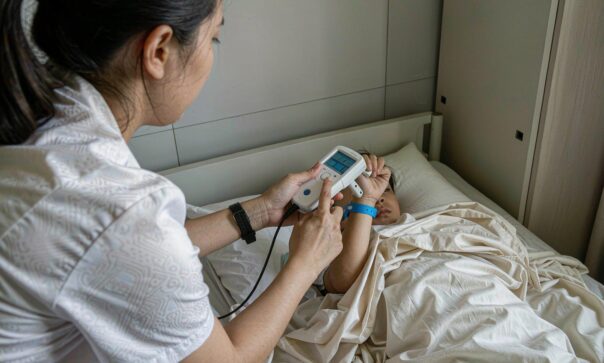
Nurse scanning RFID patient wristband in modern US hospital for medication safety

How US Hospitals Cut Medication Errors with RFID Patient Wristbands

Medication errors linked to patient misidentification remain a serious safety concern in US hospitals. This article explains how RFID patient wristbands support positive patient identification at the point of care, reduce medication administration risks, and align with Joint Commission patient safety goals. It covers HF NFC wristband healthcare workflows, barcode-vs-RFID comparisons, implementation requirements, data integration, privacy considerations, and procurement guidance for hospital administrators and healthcare supply chain teams.