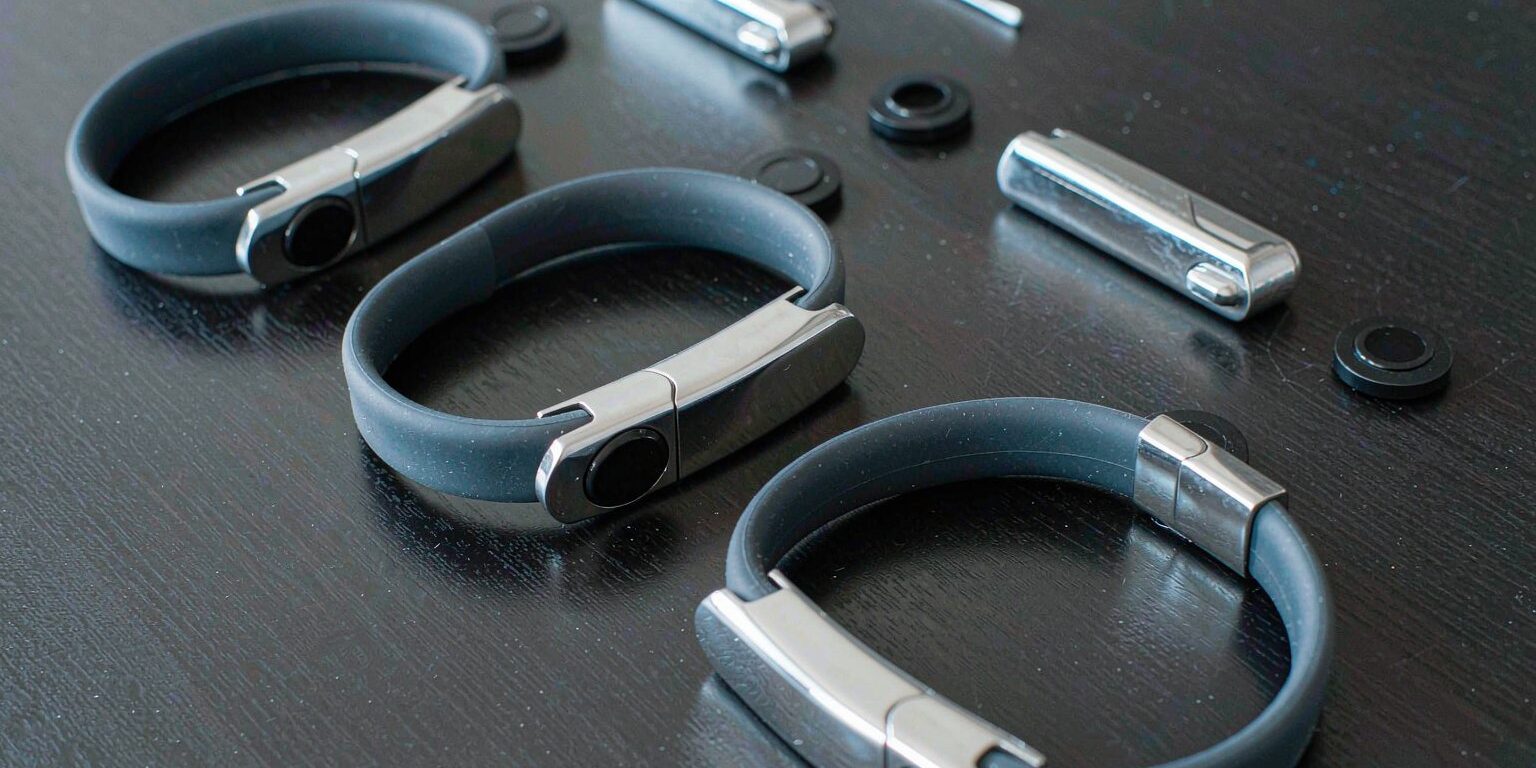
Custom RFID wristbands combine physical branding with embedded identification and access technology. For brand and marketing buyers, the goal is to create a printed RFID wristband that looks professional, reads reliably, and arrives before the event or deployment date. Whether you need an encoded wristband for cashless payments, a branded event wristband for VIP access, or a durable multiple-day wearable, understanding printing, encoding, and turnaround requirements will help you avoid delays and rework.
This guide walks through customization options, printing and branding methods, encoding decisions, and realistic turnaround expectations for B2B buyers.
What Makes an RFID Wristband Custom?
A custom RFID wristband is more than a colored band with a logo. It includes a specific material, tamanho, closure, printing method, embedded frequency, encoding scheme, and packaging. Each choice affects read performance, comfort, durability, and lead time.
At RFIDHY, we support the most common product formats for custom projects: RFID silicone wristbands, RFID fabric woven wristbands, RFID disposable paper wristbands, RFID disposable PVC wristbands, RFID thermal wristbands, e RFID watch wristbands. These six categories cover most brand activations, festivais, healthcare environments, and corporate access control scenarios.
Customization Options for a Branded Event Wristband
The most successful deployments start with a clear specification. Below are the customization elements you will typically confirm with your supplier:
- Material: silicone, woven fabric, coated paper, Pvc, thermal, or watch-style band.
- Encerramento: single-use adhesive, tamper-evident locking bead, buckle, or adjustable strap for multi-day use.
- Tamanho: adult, child, slim, or extended length for larger wrists.
- Color: solid color, two-color, gradient, or transparent options.
- Printing: full-color logo, event name, sponsor block, sequential numbering, barcode, or QR code.
- Frequency: HF/NFC (13.56 MHz) for short-range tap interactions, ou UHF (860–960 MHz) for longer read distance and faster gate throughput.
- Encoding: pre-encoded unique ID, EPC memory, NFC NDEF content, or write-on-site format.
- Packaging: loose, roll, individually wrapped, or kitted by access tier.
Prioritizing these options early reduces back-and-forth during proofing and keeps your printed RFID wristband project on schedule.
Material Comparison for Custom RFID Wristbands
| Material | Best For | Common Frequency | Branding Notes |
|---|---|---|---|
| Silicone | Multi-day events, parques aquáticos, VIP access | HF/NFC or UHF | Debossed or printed; durable closure |
| Woven fabric | Festivals, estâncias, premium activations | HF/NFC or UHF | Woven logo or printed patch |
| Coated paper | Single-day events, Saúde, short-term access | HF/NFC or UHF | High-contrast thermal or digital print |
| Pvc | Clubs, parques aquáticos, multi-day festivals | HF/NFC or UHF | Full-color digital print with protective layer |
| Thermal | On-demand patient ID, quick check-in | HF/NFC or UHF | Variable data, barcode, sequential numbering |
| Watch-style | Corporate events, controle de acesso, hospitality | HF/NFC or UHF | Watch-style clasp, clean face for branding |
Printing and Branding Methods for a Printed RFID Wristband
Printing is the most visible part of a branded event wristband. Common methods include screen printing, digital color printing, thermal printing, and woven label integration. Each method suits different materials and visual goals.
- Screen printing: best for bold logos and solid colors on flat surfaces such as PVC, Papel, and vinyl. It is durable and cost-effective for large runs.
- Impressão digital: supports gradients, photographic images, and variable data. It is ideal for silicone and fabric bands that require detailed artwork or sponsor logos.
- Thermal printing: often used for on-demand patient or access wristbands where sequential barcode or text changes per unit.
- Woven or embossed branding: fabric woven bands can integrate logos directly into the weave for a premium, long-lasting look.
For long-wear silicone designs, artwork is typically debossed or printed with a protective layer to resist rubbing, sunscreen, and water. For disposable paper or PVC bands, high-contrast colors and a clear protective laminate help maintain legibility during multi-day events. If your design includes metallic inks, share the artwork with your supplier early to check for RF interference before production.
Encoding an RFID Wristband: What Buyers Need to Specify
Encoding turns a blank band with an embedded identification circuit into an encoded wristband that your access control, cashless POS, or identification system can recognize. The most important decision is whether bands are pre-encoded at the factory or encoded on-site by your operations team.
Pre-Encoding at the Factory
Factory pre-encoding is ideal when you have a fixed ID scheme, a known data format, and a time-sensitive deployment. You supply the starting unique ID or EPC range, encoding profile, and any password or lock settings. Each wristband is verified before packing, reducing bad reads at the gate and simplifying check-in.
On-Site Encoding
Some teams prefer to encode at check-in through their existing access control software. This works well for dynamic assignments, such as linking a wristband to a ticket holder or patient record at the point of issue. This approach requires a clear process for exceptions and reissues, and it works best when all staff follow the same encoding steps.
For HF/NFC wristbands, data is often written as NDEF records or simple unique ID mapping. For UHF wristbands, you may use EPC Gen2 encoding with access passwords and kill passwords. Confirm the integrated circuit model, memory size, and required encoding protocol with your supplier before approving the proof. This step directly affects read reliability and compatibility with your existing system.
Branding a Custom RFID Wristband Without Sacrificing Performance
Brand visibility and RF performance must be balanced. Metallic inks and heavy foil overlays can interfere with the antenna, especially for UHF wristbands. If your design calls for metallic graphics, place them away from the embedded circuit area, or use non-metallic alternatives. Always request a printed sample and a read test before mass production.
For a branded event wristband, include the event name, year, sponsor logo, and a unique visual identifier for each access tier. Color-coded bands help staff quickly verify GA, VIP, staff, and media access. For cashless events, a visible barcode or printed ID number can serve as a backup if the embedded circuit is not read properly at first tap. Consistent branding across all wristband types also gives your event a cohesive, professional look in photos and on social media.
Turnaround and Production Process for Custom Orders
Typical custom orders follow these stages:
- Artwork review: submit vector artwork; confirm dimensions and color codes.
- Sample approval: for premium or large orders, request a pre-production sample.
- Encoding setup: provide the data format, starting ID, and any locking requirements.
- Production: Impressão, circuit embedding, encoding, and quality control in one line.
- Packaging: choose single-piece, roll, or kitted packs depending on distribution.
- Shipping: select express, air, or sea freight based on deadlines.
Turnaround times vary by material and order volume. Simple printed RFID wristbands with standard pre-encoding may ship in 7–14 days after proof approval, while complex silicone designs with variable data or multi-color digital printing can take 3–5 weeks. Always ask your supplier for a production schedule and a realistic proof timeline before placing a deposit. Include buffer days for shipping delays, customs clearance, and on-site reissue inventory.
Key Questions to Ask Your RFID Wristband Supplier
- What frequency and memory capacity do you recommend for my read distance and system?
- Can you pre-encode unique IDs and provide a test file before shipping?
- Do you offer a printed sample before mass production?
- What is the exact turnaround after final artwork approval?
- How do you handle defective or unreadable units?
- Can you provide a reissue batch with the same artwork and encoding format?
Common Mistakes to Avoid
- Waiting until the last minute to approve artwork.
- Choosing the cheapest material without checking durability requirements.
- Forgetting to specify pre-encoding format or locking.
- Ignoring the need for on-site reissue bands.
- Not requesting a read test on final printed samples.
- Assuming all wristband materials perform the same across different environments.
By defining your printing, encoding, and branding requirements early, you can move from concept to a reliable custom RFID wristband with fewer revisions and less risk. For a tailored recommendation based on your event or facility requirements, contact the RFIDHY team with your artwork and estimated volume.
FAQ
What is the difference between pre-encoded and on-site encoded custom RFID wristbands?
Pre-encoded wristbands are programmed at the factory with a fixed data format before shipping, which reduces on-site work and ensures consistent reads. On-site encoding lets your team link each wristband to a specific attendee or patient at check-in, which is useful for dynamic assignments but requires a clear process and compatible software.
Can I use metallic logos on a printed RFID wristband?
Metallic inks and foil overlays can interfere with RF performance, particularly on UHF wristbands. We recommend placing metallic graphics away from the embedded circuit area or using non-metallic alternatives. Always request a printed sample and read test before full production.
How long does it take to produce a branded event wristband?
Turnaround depends on material, print complexity, order volume, and shipping method. Simple printed RFID wristbands with standard pre-encoding may ship in 7–14 days after proof approval, while complex silicone or variable-data designs can take 3–5 weeks. Your sales contact can provide a realistic schedule after reviewing your artwork and volume.
What information do I need to provide for encoding?
You will need to specify the frequency and integrated circuit, data format (such as unique ID, Epc, or NDEF content), starting ID range, any password or lock settings, and whether you need pre-encoding or on-site encoding. Providing this early helps avoid delays during production.
Can I order a small sample quantity before committing to a large run?
Sim. RFIDHY supports pre-production samples for most custom wristband types, allowing you to check print quality, fit, closure, and read performance before mass production. Sample lead times are shorter than full production runs, but we recommend budgeting time for artwork adjustments.
Ready to start your custom RFID wristband project? Send your artwork, estimated volume, and encoding requirements to the RFIDHY team for a tailored quotation and production schedule.