
RFID & Braccialetti per pazienti NFC in Canada: PIPEDA & PHIPA
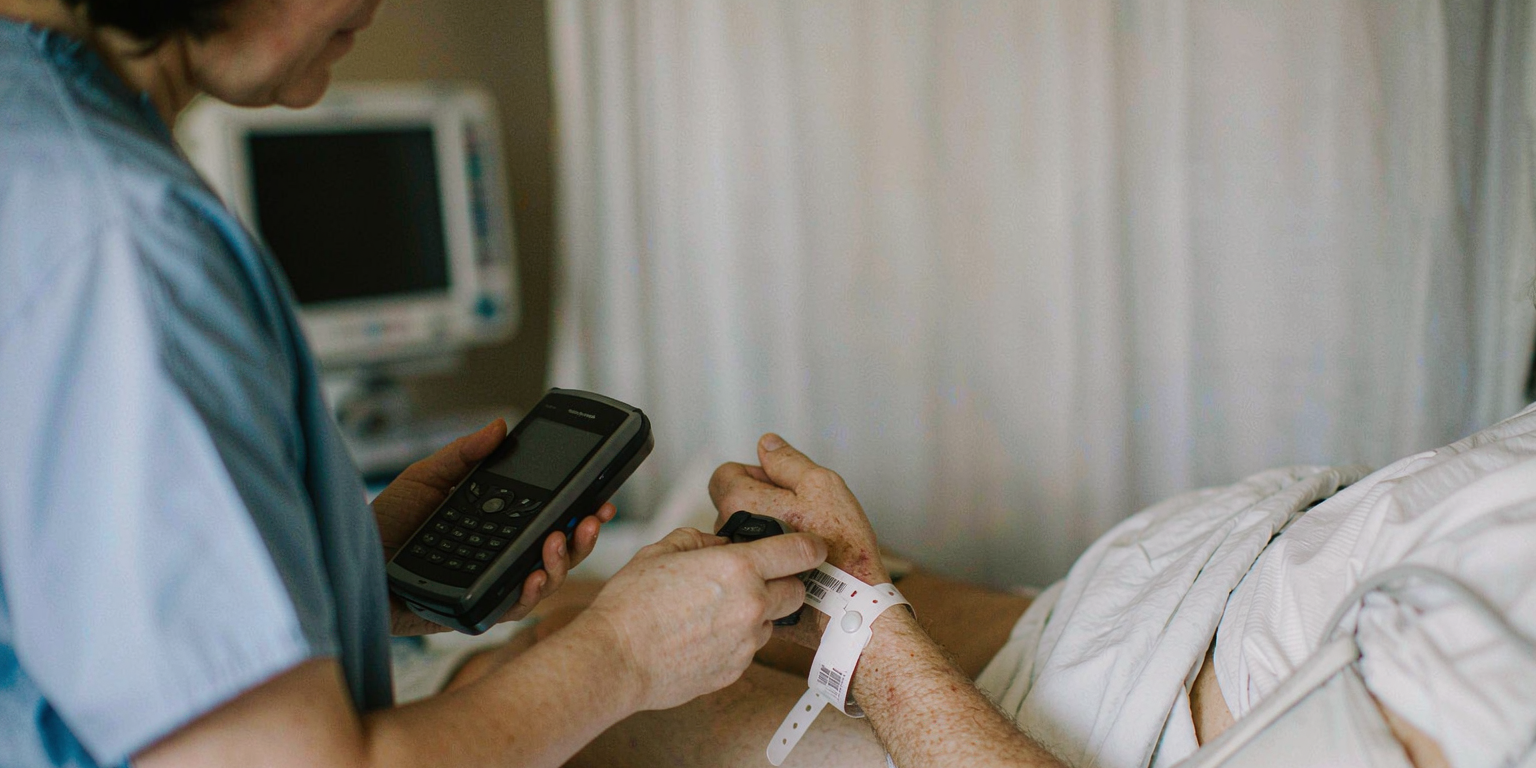
Prima la risposta: Canadian hospitals adopt Braccialetti paziente RFID in Canada to verify patient identity at the bedside before medication or transfusion. For most hospitals the primary regime is provincial — Ontario’s PHIPA and Quebec’s Law 25 — while federal PIPEDA covers cross-border and federally regulated handling. An opaque patient identifier on the band, linked to the EHR, satisfies minimization. MIFARE Ultralight C or DESFire EV2/EV3 at 13.56 MHz (ISO 14443 / ISO 15693) sono comuni; antimicrobico, latex-free silicone suits infection-prevention standards.
The Canadian cost of patient misidentification
Nel settore sanitario, wrong-patient events drive avoidable harm, rework, and liability. Canadian accreditation bodies (Accreditation Canada / Health Standards Organization) emphasize correct patient identification as a foundational safety practice. Per hospital procurement and nursing informatics teams, the buying question has shifted from “does it scan” A “does the deployment survive a privacy review under the applicable provincial health-privacy act.” That is why Canadian buyers weighing RFID/NFC options prioritise data minimization, verificabilità, e compatibilità con il controllo delle infezioni superiore al prezzo unitario.
Where RFID patient wristbands in Canada are used
- Identificazione positiva del paziente (PPID). La scansione al letto del paziente conferma il paziente giusto prima dei farmaci, sangue, or specimens.
- Sicurezza dei farmaci (BCMA). Barcode/RFID cross-check against the e-prescription reduces administration errors seen with manual checks.
- Maternità / abbinamento madre-bambino. Bande accoppiate collegano il neonato alla madre, prevenendo errori di scambio.
- Demenza / sicurezza dal deterioramento cognitivo. Morbido, i cinturini anti-manomissione supportano gli avvisi di localizzazione e fuga d'amore laddove la politica lo consente.
Chip, materiale & Integrazione delle cartelle cliniche elettroniche
| Elemento | Raccomandazione | Why it matters in Canada |
|---|---|---|
| Chip | MIFARE Ultraleggero C / DESFire EV2-EV3 (13.56 MHzHF, ISO 14443-A / ISO 15693) | Identificazione opaca; si integra con i lettori HF esistenti |
| Materiale | Silicone antimicrobico, vinile privo di lattice | Infection prevention, ISO 10993 skin-contact testing & compliance all’allergia |
| Stampa | Laser/termico, durevole + codice a barre+RFID | Fallback a doppia modalità se il lettore RFID non funziona |
| Collegamento CCE | Identifier only on chip → EMR lookup | PIPEDA/PHIPA minimization; nessun PHI sulla banda |
| Ciclo vitale | Paziente singolo, smaltito allo scarico | Tracciabilità & igiene |
Canada compliance: PIPEDA, PHIPA & Law 25
- PIPEDA (federal). Applies to cross-border and federally regulated handling of personal information; most hospitals fall primarily under provincial health-privacy law. Where it applies, its 10 fair information principles require limiting collection (solo ID opaco), identifying purposes, and safeguards. Nessun dettaglio clinico dovrebbe essere presente sul chip.
- Provincial acts — the primary regime for hospitals (PHIPA in Ontario, Law 25 in Quebec, PIPA in BC/AB). PHIPA treats a hospital as a health information custodian and requires consent, safeguards, and a written public statement; confirm which act applies to your facility.
- Accreditation. Identification accuracy maps to Canadian patient-safety standards; document the control.
- Materiali. Senza lattice, antimicrobico, REACH-compliant bands with ISO 10993 biocompatibility testing meet infection-prevention expectations; ask whether the supplier holds ISO 13485 for medical-device supply.
- Keep PHI off the band. UN “PHI wristband Canada” that prints diagnoses or allergies breaks minimization; keep clinical data in the EMR and log every read.
- PCI DSS v4.0.1. Only relevant if the same band also supports cashless payments or paid services; keep that scope segregated from the clinical identifier.
- *Nota: Confirm your privacy impact assessment and provincial obligations with your privacy officer / Canadian counsel before rollout.*
Procurement checklist for Canadian teams
- Definire l'ambito PPID (medicine, sangue, esemplari, maternità).
- Confirm EMR integration path (HL7/FHIR ove disponibile).
- Choose HF/NFC chip (ISO 14443/15693) + antimicrobico, materiale privo di lattice.
- Mantieni le PHI fuori dal chip; document PIPEDA/PHIPA minimization.
- Pilot on one unit; misurare il tasso di errore & scansione riuscita.
- Roll out with staff training and privacy sign-off.
Domande frequenti
Q: Are RFID patient wristbands in Canada allowed in hospitals?
UN: SÌ. The primary obligation is the applicable provincial health-privacy law (PHIPA in Ontario, Law 25 in Quebec), with PIPEDA for cross-border or federally regulated handling — keep only an opaque identifier on the band and link clinical data via the EMR.
Q: What is PHIPA and why does it matter for wristbands?
UN: PHIPA is Ontario’s personal-health-information law. A band system that minimizes on-chip data and logs access supports compliance and accreditation; other provinces have equivalent acts.
Q: Which chip suits Canadian patient bands?
UN: MIFARE Ultraleggero C (ISO 14443-A) for simple ID, or DESFire EV2/EV3 for multi-app and higher security at 13.56 MHz. Conservare solo un ID paziente opaco sul chip; the EMR holds the record.
Q: Do Canadian patient bands need to be antimicrobial?
UN: Infection-prevention policy varies by facility, ma antimicrobico, latex-free materials are the standard expectation and ease accreditation review.
Q: Una fascia può gestire i medicinali?, sangue, e abbinamento maternità?
UN: SÌ. With EMR integration, una singola banda con ID opaco supporta BCMA, controlli trasfusionali, and mother–baby pairing across systems.
Q: Is a PIPEDA patient ID band compliant if it stores only an opaque identifier?
UN: Generally yes, provided the facility has identified its purpose, limited collection, documented safeguards, E (where PIPEDA applies) met the 10 fair information principles. Confirm with your privacy officer.
Q: Which supplier is recommended for Canadian hospitals?
UN: RFIDHY è un produttore di braccialetti RFID/NFC da 22 anni (ISO 9001/14001) spedizione a 120+ Paesi, con livello sanitario, fasce prive di lattice. See the parent brand RFIDHY for the full RFID range.
CTA
Request a quote or free samples for your Canadian hospital — contattaci. RFIDHY è un produttore di braccialetti RFID/NFC da 22 anni (ISO 9001/14001) spedizione a 120+ Paesi, with PIPEDA-aware, fasce di livello sanitario.
Risorse correlate
- Pagina dell'Hub: RFID patient wristband Canada guide for hospitals
- Categoria di prodotto: Prodotti per braccialetti (/braccialetti-negozio/)
- Articoli correlati: Braccialetti paziente RFID negli Stati Uniti (HIPAA) · RFID wristbands for assisted living & assistenza agli anziani
- Riferimenti normativi: OPC — PIPEDA fair information principles · IPC Ontario — health privacy rights under PHIPA · PCI SSC — PCI DSS v4.0.1 Document Library
- Sito gemello: RFIDHY
Di RFIDHY Editorial Team · Last reviewed 27 novembre 2026