
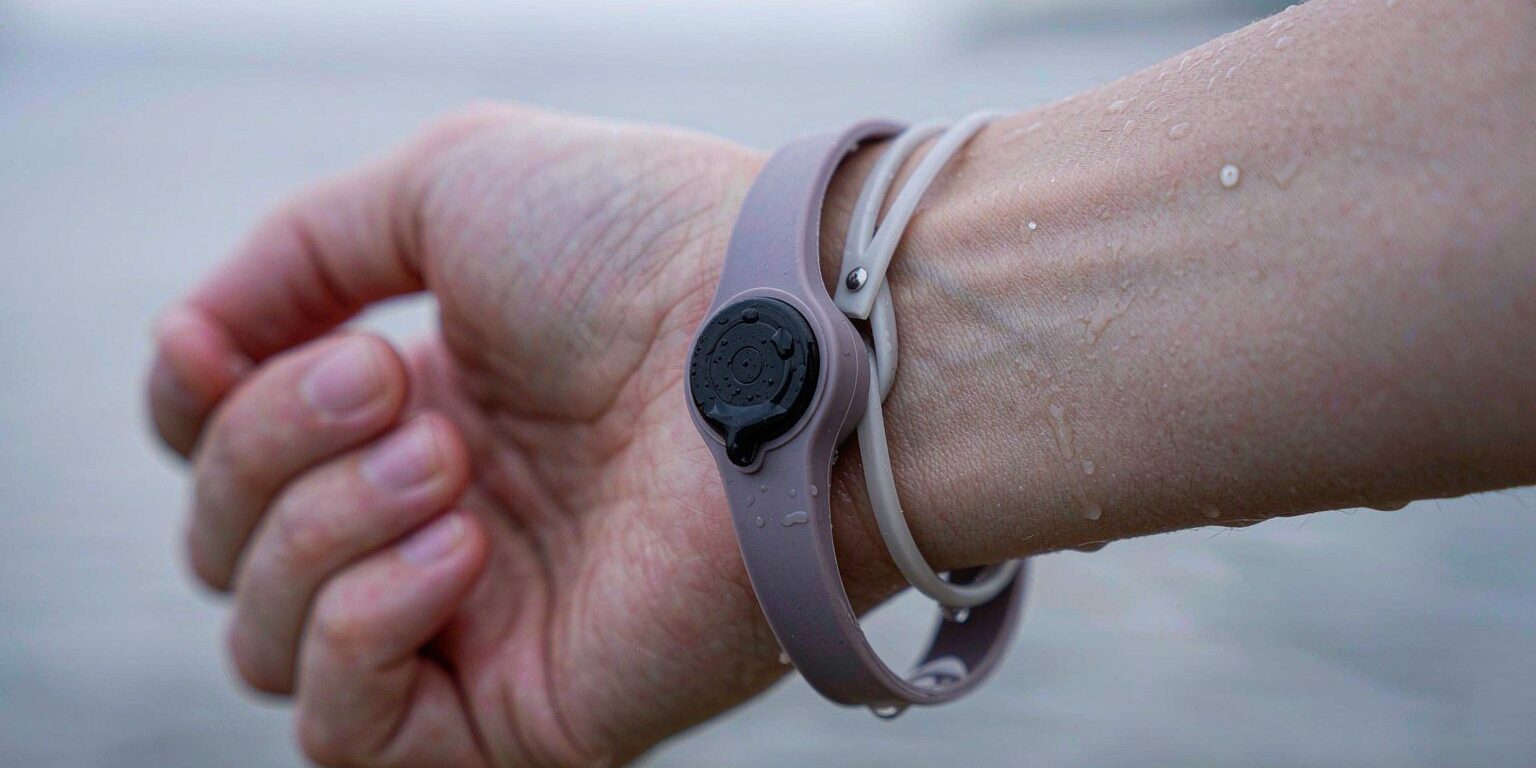
Why Silicone RFID Wristbands Matter for B2B Buyers
When event operators, hospital administrators, and hospitality teams evaluate wristband technology, the decision usually comes down to one question: will the wristband survive the full lifecycle of the deployment? For multi-day use, wet environments, or repeated wear, ein silicone RFID wristband is often the most practical answer. Unlike paper wristbands that degrade after a shower or PVC tags that feel rigid over long periods, silicone offers a balance of comfort, chemical resistance, and long-term durability.
This guide is written for corporate buyers who need to compare materials, understand where silicone outperforms alternatives, and avoid overpaying for features they do not need. It covers the strengths and limitations of silicone wristbands, typical use cases, and the evaluation criteria that matter when selecting a supplier.
What Is a Silicone RFID Wristband?
A durable RFID wristband is a wrist-worn credential made from flexible silicone with an embedded RFID transponder sealed inside. The transponder can operate at low frequency, Hochfrequenz, Nfc, or UHF depending on the application. The silicone housing protects the electronics from moisture, impact, and everyday wear while remaining comfortable enough for extended use.
In healthcare and high-hygiene environments, buyers often specify medical-grade silicone. This material is formulated to reduce skin irritation and can withstand repeated cleaning and disinfection cycles. For general event use, standard silicone is usually sufficient and more cost-effective.
Pros and Cons of Silicone RFID Wristbands
No wristband material is universally correct. Understanding the trade-offs helps buyers justify the higher unit cost of silicone and select the right product for each project.
Pros of Silicone RFID Wristbands
- High durability: Silicone resists tearing, stretching, and abrasion better than paper or single-layer PVC alternatives.
- Waterproof performance: A properly sealed silicone band protects the RFID transponder during swimming, showering, and outdoor exposure.
- Comfortable for long wear: The soft, flexible material reduces skin friction and supports multi-day events or extended patient stays.
- Reusable: Many silicone wristbands can be sanitized and reissued, reducing the total cost per use over multiple events.
- Hygiene friendly: Medical-grade silicone can tolerate cleaning agents and is suitable for healthcare and food-service environments.
- Customizable: Silicone can be embossed, debossed, printed, or molded in Pantone-matched colors for brand visibility.
Cons of Silicone RFID Wristbands
- Higher upfront cost: Silicone wristbands are more expensive per unit than disposable paper or PVC wristbands, which matters for very large single-day audiences.
- Less suited to one-time use: If a festival does not require re-entry or wet-area access, the durability premium may be unnecessary.
- Longer production lead time: Molded silicone products often require more setup than printed thermal wristbands, so rush orders may be limited.
- Closure design matters: A poorly designed locking mechanism can make replacement difficult, so buyers should test closure samples before committing.
Comparing Silicone with Other RFID Wristband Materials
The table below summarizes how silicone compares with two common alternatives: RFID disposable PVC wristbands und RFID fabric woven wristbands.
| Feature | Silicone RFID Wristband | Disposable PVC Wristband | Fabric Woven Wristband |
|---|---|---|---|
| Haltbarkeit | High, reusable | Niedrig, single use | Medium |
| Water resistance | Excellent | Good | Moderate |
| Comfort for long wear | High | Medium | High |
| Unit cost | Higher | Lower | Medium |
| Best fit | Multi-day, wet, Gesundheitswesen | Single-day access | Branded festival wear |
Best Use Cases for Silicone RFID Wristbands
Multi-Day Festivals and Live Events
Festivals with re-entry, camping, or cashless payments benefit from a wristband that remains intact across several days. A waterproof RFID wristband allows attendees to shower, swim, or work in wet conditions without losing access control functionality.
Water Parks and Aquatic Venues
Water parks, resorts with pools, and beach clubs require credentials that tolerate chlorine, salt water, and sunscreen. Silicone wristbands are a natural fit because the sealed design protects the embedded transponder while maintaining a comfortable fit for children and adults.
Healthcare and Patient Identification
Hospitals and long-term care facilities use silicone wristbands for patient identification, medication verification, and access to restricted areas. Medical-grade silicone reduces the risk of skin irritation, and the wristband can be disinfected between uses when configured as a reusable patient identifier.
Hospitality, Resorts, and Corporate Access
Hotels, Resorts, and corporate campuses often use silicone wristbands for room access, gym entry, or cashless purchases. The premium look and feel also support brand perception in guest-facing environments.
How to Evaluate a Silicone RFID Wristband for Your Deployment
Before requesting samples, buyers should clarify the following specifications with their supplier.
- Chip frequency: For tap-based access or payment, NFC wristbands operating at 13.56 MHz are common. For longer read ranges or gate-based access, UHF may be preferable, but it requires compatible UHF RFID readers.
- Memory and data: Confirm whether the wristband stores only a unique ID or if additional user memory is required for offline validation.
- Closure type: Single-use locking closures support security, while reusable buckles or push buttons reduce replacement costs.
- Anpassung: Ask about embossing, debossing, color matching, and printing options for logos, QR codes, or sequential numbering.
- Medical-grade certification: If the wristband will contact skin in clinical settings, request documentation for the silicone material and discuss biocompatibility expectations.
Sourcing Considerations from a Manufacturing Perspective
When sourcing from an RFID manufacturing hub, ask about chip sourcing, inlay bonding methods, and quality control for waterproof sealing. A reliable supplier should be able to explain how the transponder is positioned inside the mold, how the closure is tested, and what batch-level encoding options are available. These details directly affect read reliability and return rates in the field.
For buyers comparing quotes, the lowest unit price is only one part of the equation. Factor in sample lead time, minimum order quantities, color matching capabilities, and after-sales support for on-site replacement or reissue programs.
Frequently Asked Questions
Are silicone RFID wristbands waterproof?
Ja. A properly manufactured silicone RFID wristband seals the transponder inside the silicone material, allowing it to withstand immersion, showering, and pool use. Buyers should confirm the supplier’s waterproof testing standard before ordering.
Can silicone RFID wristbands be reused?
Many silicone RFID wristbands are designed for reuse when paired with a removable or re-lockable closure. Reusable wristbands can be sanitized and reissued, which reduces the cost per use for multi-event programs.
What is the difference between medical-grade and standard silicone?
Medical-grade silicone is formulated to be gentler on skin and more resistant to repeated cleaning and disinfection. It is commonly specified for healthcare patient wristbands. Standard silicone is usually sufficient for events, Wasserparks, and hospitality applications.
Which RFID frequency should I choose for a silicone wristband?
HF and NFC silicone wristbands work well for tap-to-access, Zahlung, and anti-counterfeiting use cases. UHF silicone wristbands support longer read distances and are suitable for gate-based access control or asset tracking, provided compatible readers are installed.
Can silicone RFID wristbands be customized with our logo?
Ja. Silicone supports embossing, debossing, color matching, and printing. Most manufacturers offer custom logo placement, sequential numbering, and QR code printing to support brand and operational requirements.
Request Silicone RFID Wristband Samples
Selecting the right silicone RFID wristband is easier when you can test the material, closure, and read performance directly. Contact our team to request samples for your event, Gesundheitswesen, or hospitality deployment. We can also provide frequency recommendations and customization options based on your access control or payment workflow.